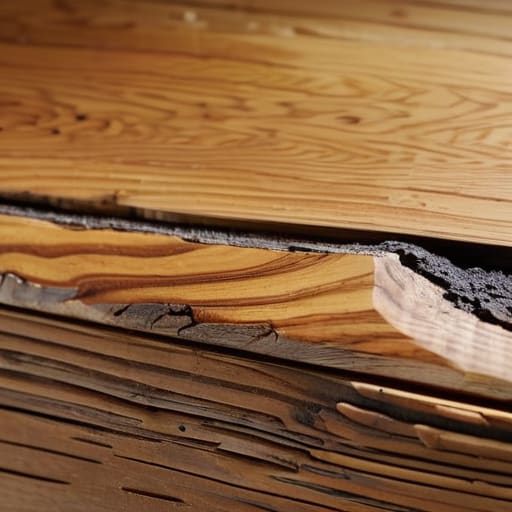

I remember a particular landscape—oil on linen, 90x120cm, 2014—that I once rejected for a solo show, not because the composition was weak, but because the surface looked tired. The artist had treated the final layer like a chore to be ticked off a list, and frankly, he’d botched the execution. Most artists treat the final stage as an afterthought, a mere formality, but they fail to realize that how varnishing and finishing work is actually the difference between a piece that commands a premium and one that looks like a student project. If you think a quick spray in a drafty studio is enough to protect your labor, you aren’t just being lazy; you are actively devaluing your own brand.
I am not here to give you a chemistry lesson or a lecture on the spiritual essence of pigment. I am here to tell you how to protect your investment and ensure that when a collector holds your work under a gallery spotlight, they see a masterpiece, not a tacky, uneven mess. We are going to strip away the pretension and look at the practical, unromantic reality of surface protection, because if you don’t master the finish, you’ll never master the market.
Mastering Wood Surface Preparation Before the Sale
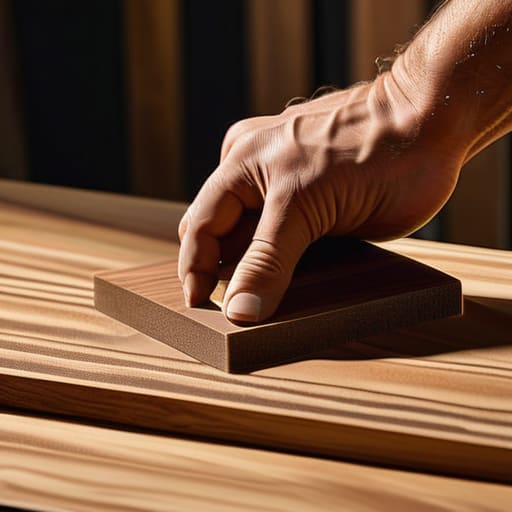
If you’re working with wood, you need to understand that the substrate is just as important as the pigment you’re laying down. I’ve seen far too many artists rush straight to the color, only to realize too late that their grain is thirsty, uneven, or—worse—covered in microscopic scratches that will catch the light like a crime scene. Proper wood surface preparation isn’t just a chore; it is the foundation of the work’s perceived value. If the surface isn’t level and clean, no amount of expensive pigment is going to save you from a piece that looks amateurish under gallery lighting.
Before you even think about reaching for your brushes, you have to decide whether you are looking for depth or sheer protection. There is a massive difference between varnish and stain, and choosing the wrong one can fundamentally change the soul of the wood. If you’re aiming for a professional finish, you must master your sanding techniques for finishing before you ever touch a sealant. If you skip the progression from coarse to fine grit, you aren’t creating art; you’re just layering expensive liquids over a bumpy road.
The High Cost of Poor Sanding Techniques for Finishing
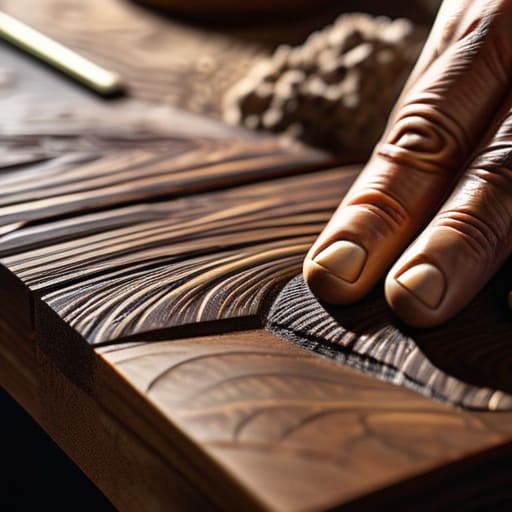
I’ve seen it a dozen times: an artist spends six months carving a sculptural relief or building a bespoke frame, only to let a botched sanding job tank the entire valuation. You can have the most profound concept in the world, but if the light hits a surface and reveals a swirl of uneven grit or a deep scratch that you thought was “hidden,” the collector isn’t looking at your vision anymore. They are looking at a flaw. Poor sanding techniques for finishing don’t just make the piece look amateur; they create a physical topography that traps dust and pigment, making even the most expensive protective coatings for wood look muddy and cheap.
When you rush the prep work, you aren’t saving time; you are actively devaluing your labor. If you apply a high-end finish over a surface that hasn’t been properly leveled, you are essentially sealing in your mistakes. I have had to tell talented people that their work looked “unprofessional” simply because the finish highlighted every microscopic imperfection in the grain. It is the difference between a piece that feels like an heirloom and one that feels like a hobbyist’s weekend project. Don’t let a lack of patience in the prep stage turn a potential five-figure sale into a polite “maybe next time.”
The Invisible Liability
You can spend six months perfecting a composition, but if you slap a cheap, uneven varnish over it to meet a deadline, you aren’t presenting an investment; you’re presenting a liability that tells a collector you don’t respect your own craft enough to finish it properly.
Vivienne Ashworth-Pryce
The Last Layer: Protecting Your Investment
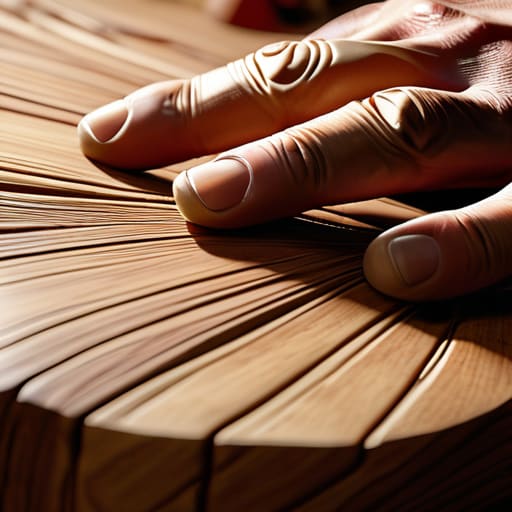
At the end of the day, the technicalities of wood preparation and the grueling patience required for sanding aren’t just about aesthetics; they are about professionalism. You can have the most profound conceptual framework in the world, but if I pick up a piece in a gallery and feel a rough patch or see a dusty finish under the lights, the conversation ends right there. A poorly executed finish tells a collector that you are an amateur who hasn’t mastered your medium, and once that perception takes root, it is nearly impossible to shake. Remember, the goal of varnishing isn’t just to make the grain pop—it is to ensure that the work you spend months creating doesn’t become a liability the moment it leaves your studio.
I have seen too many brilliant artists stumble at the finish line because they treated the final coat as an afterthought rather than a crucial part of the work itself. Don’t let a rushed, cheap finish devalue the soul you poured into the piece. Treat your finishing process with the same reverence you give your initial sketches, and you will find that collectors aren’t just buying a surface; they are buying the integrity of your craft. Do the work right the first time, and you won’t just be selling art—you’ll be building a reputation that lasts much longer than a single exhibition.
Frequently Asked Questions
If I use a high-end professional varnish, will the collector actually notice the difference, or am I just throwing money away?
Oil on canvas, 40cm x 40cm, 2024. Listen, they might not be able to name the brand of resin you used, but they will absolutely feel the difference. A cheap, uneven finish looks like a student project; it screams “unreliable.” A professional varnish provides that depth and tactile consistency that justifies a premium price tag. You aren’t just buying a liquid; you’re buying the confidence that the piece won’t degrade by next Tuesday.
How do I know if a finish is "too glossy" for the type of buyer I'm trying to attract?
Oil on canvas, 30×40, 2024. Listen, if you’re targeting the high-end minimalist collector, a high-gloss finish can feel like a cheap distraction from the texture. They want to see the hand of the artist, not a reflection of their own living room lamp. If your finish creates a glare that obscures the brushwork, you aren’t selling a painting; you’re selling a mirror. When in doubt, go satin. It’s safer, more sophisticated, and far more professional.
Is it better to finish a piece immediately after it's done, or should I wait for the materials to settle to avoid cracking later?
Oil on canvas, 12×12, 2024. I’ve seen enough cracked surfaces to know that patience isn’t just a virtue; it’s a business strategy. If you rush the finish, you’re essentially gambling with your reputation. You must let the substrate settle and the moisture levels stabilize. If you seal a piece that hasn’t reached equilibrium, you aren’t finishing a work—you’re trapping a ticking time bomb that will eventually alienate your most important collectors.
