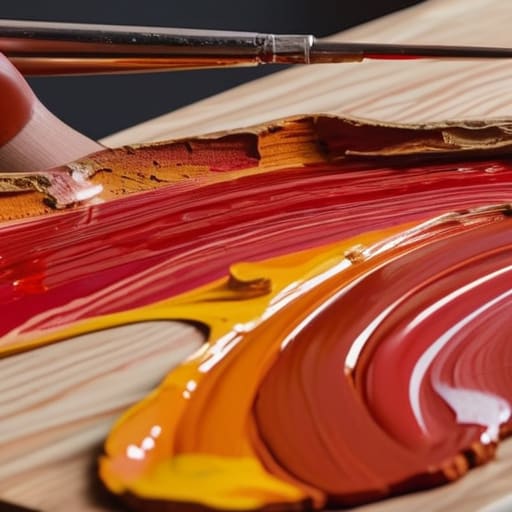

I once stood in a client’s sunroom, staring at a landscape that cost four thousand pounds, only to realize the surface was spider-webbing into a thousand tiny, hideous cracks. The artist had been so caught up in the “soul” of the piece that they’d completely ignored the physics of the medium. People love to treat oil painting like some mystical, untouchable ritual, but if you don’t understand how fat over lean works, you aren’t making art; you’re making a ticking time bomb for your collectors. It isn’t about some lofty creative theory; it is about the brutal, unromantic reality of chemical drying rates.
I am not here to give you a lecture from a dusty textbook or some flowery, academic nonsense about the “spirit of the oil.” I’ve spent twenty-six years seeing which paintings survive a move to a new house and which ones crumble because the artist was too impatient to respect the layers. I am going to tell you exactly how to manage your medium so your work actually lasts, because a painting that falls apart in five years is a failed investment, regardless of how much heart you put into it.
Mastering Oil Paint Layer Structure to Protect Your Investment
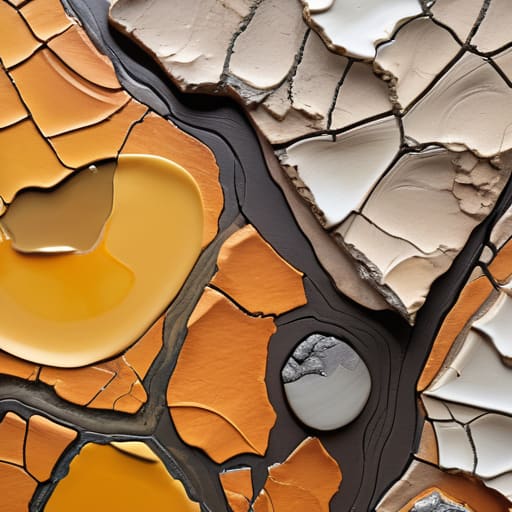
Listen, I have seen too many promising careers stall because a collector returned a piece three years later with a surface that looked like a dried riverbed. When we talk about oil paint layer structure, we aren’t just discussing chemistry; we are discussing the long-term value of your reputation. If you ignore the fatty acid content in oils and slap a high-oil glaze over a fast-drying, lean underpainting, you are essentially building a skyscraper on a foundation of sand.
The goal here is stability. You need to manage your oil painting drying times with surgical precision, ensuring each subsequent layer is more flexible than the one beneath it. This isn’t about being precious with your process; it’s about preventing paint film cracking before the work even leaves your studio. If you aren’t careful with your choice of mediums for oil painting, you’re essentially handing your collectors a ticking time bomb. I’ve sat in far too many meetings with frustrated buyers who felt cheated because an artist prioritized speed over structural integrity. Don’t be that artist.
Why Fatty Acid Content in Oils Determines Longevity
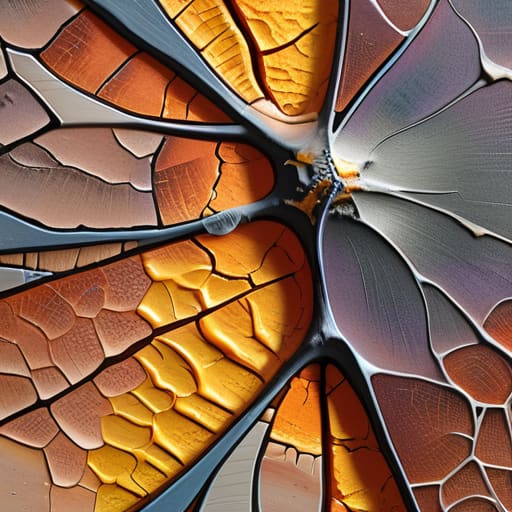
Look, I’ve seen enough “emerging talent” enter the market only to have their entire body of work turn into a topographical map of cracks within five years. It’s heartbreaking, and frankly, it’s avoidable. The issue isn’t just about technique; it’s about chemistry. When we talk about fatty acid content in oils, we are talking about the literal structural integrity of your painting. A “fat” layer—one with a higher concentration of oil—dries much slower and remains more flexible than a “lean” layer. If you pile those flexible, slow-drying layers on top of something brittle that has already set, you aren’t creating art; you’re creating a ticking time bomb of structural failure.
This is where the physics of preventing paint film cracking becomes a financial necessity. If a collector buys a piece from you and sees the surface crazing because you ignored the ratio of linseed oil vs turpentine, they aren’t going to call you for a repair; they are going to tell their friends you’re an amateur. You have to respect the drying times. If you don’t manage the internal tension of those layers, the work will eventually fight itself and break.
The Cost of a Cracked Canvas
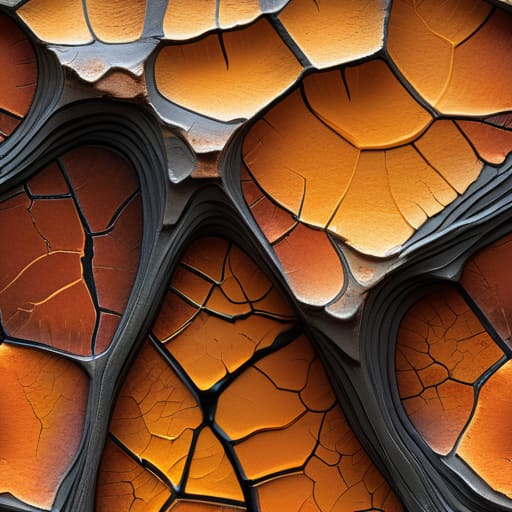
Listen, I’ve spent decades selling works that were meant to be legacies, only to have a collector call me six months later because the surface is spider-webbing like a cheap windshield. If you ignore the fat over lean rule, you aren’t just being lazy with your technique; you are actively devaluing your own inventory. No one—and I mean no one—wants to pay premium prices for a painting that looks like it’s structurally failing before it’s even left the studio.
Vivienne Ashworth-Pryce
The Bottom Line on Longevity
At the end of the day, respecting the fat over lean principle isn’t just some pedantic academic exercise; it is a matter of professional integrity. You have to remember that you are building a physical object that needs to survive decades, if not centuries, of fluctuating humidity and temperature. If you ignore the chemistry—if you slap thick, oil-heavy glazes over thin, fast-drying underlayers—you are essentially building a house on sand. When that paint inevitably cracks and delaminates, it won’t just be a technical failure; it will be a breach of trust with the person who handed you their hard-earned money. You cannot expect to command serious prices if your technical foundation is fundamentally unstable.
I know it feels tedious to pause and consider the drying times of every single layer when the creative impulse is screaming at you to keep moving, but patience is a component of your craft just as much as your brushwork is. Treat your technique with the same respect you treat your subject matter. When you master these structural rules, you aren’t just making a pretty picture; you are creating an enduring asset. Build your work to last, and you’ll find that the market respects the discipline behind the beauty far more than you might realize.
Frequently Asked Questions
If I’m working quickly on a commission, does it actually matter if I slip up once or twice, or will the cracks show up immediately?
Oil on canvas, 12×12, 2024. I’ll tell you this: it won’t crack tomorrow, but it might crack in three years. If you’re rushing a commission, you aren’t just risking the paint; you’re risking your reputation. A collector doesn’t care about your deadline; they care about the permanence of what they just bought. One slip-up is a mistake; a pattern of sloppy layering is a liability that will eventually devalue your entire body of work.
Can I use certain mediums or retarders to cheat the drying time without completely ruining the structural integrity of the layers?
Oil, 12×12, 2024. I don’t like the idea of shortcuts, but I respect the pragmatism. Listen, you can use alkyd mediums or certain retarders to stretch your time, but don’t get lazy. If you use a medium that creates a film too much faster than the underlying layer can stabilize, you’re just building a house on sand. Use them to manage your workflow, not to bypass the chemistry. If the structure fails, the collector loses, and so do you.
How do I know if a piece I'm buying from a secondary market is actually following these rules, or if I'm just paying for a beautiful disaster waiting to happen?
Oil on canvas, 40 x 30 inches, 1994. I like it, but you need to be careful. To spot a disaster, look for “alligatoring”—that web of cracks on the surface. If the paint looks like it’s buckling or lifting in scales, the artist ignored the physics of the medium. Check the edges; if the paint is thick and gummy near the support, they likely rushed the drying process. If it looks like a topographical map of a disaster zone, walk away.
