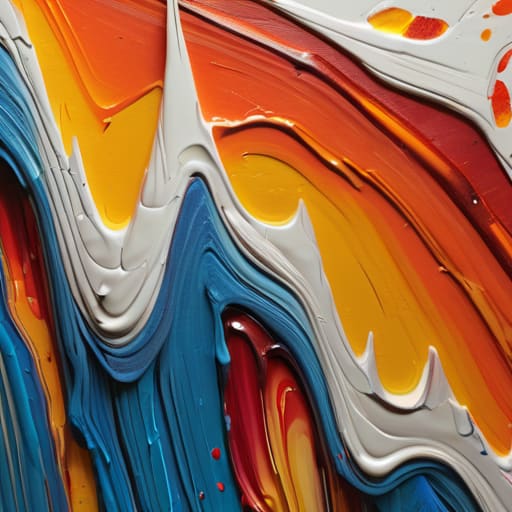

Oil on canvas, 40×40, 2014. I remember standing in my old gallery, watching a collector squint at a piece that was essentially just a mountain of dried, expensive mud. He was prepared to pay four figures because the artist had applied the paint with a trowel, but he couldn’t articulate why he felt the urge to reach out and touch it. There is a pervasive, romanticized lie in art school circles that thick paint equals depth of soul, but in the real market, knowing how impasto and texture are used is the difference between a work that commands a room and one that just looks cluttered. Texture shouldn’t be a decorative afterthought or a way to hide a lack of compositional skill; it must be a deliberate, structural choice.
I am not here to give you a lecture on the chemistry of drying oils or the history of the Dutch Masters. Instead, I’m going to tell you how to use these tools to justify your pricing and create the kind of tactile presence that makes a collector stop walking. We are going to strip away the pretension and look at how physical weight translates into perceived value.
Mastering Visual Depth in Painting to Justify the Price Tag
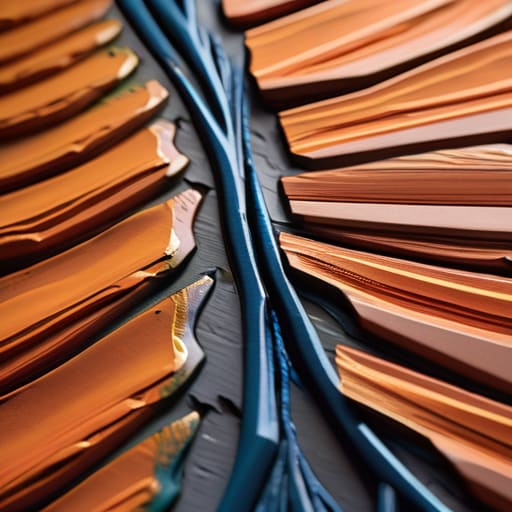
When I was running the gallery, I’d often watch collectors hover in front of a piece, not just looking at the subject matter, but physically leaning in to see how the light caught the ridges of the paint. That is the moment they stop seeing a mere image and start seeing a physical object of value. Achieving that level of visual depth in painting isn’t just about being messy; it’s about intentionality. Whether you are utilizing palette knife techniques to scrape away layers or building up peaks of pigment, you are creating a topography that demands attention.
The mistake I see many emerging artists make is thinking texture is just a decorative flourish. It isn’t. When you employ an oil painting thick application, you are essentially building a sculptural element into the two-dimensional plane. This creates a sense of permanence. A flat, thin wash can be beautiful, certainly, but it lacks the “heft” that justifies a higher price point to a serious buyer. They aren’t just paying for your vision; they are paying for the physicality of the medium itself.
Heavy Body Acrylics and the Illusion of Infinite Worth
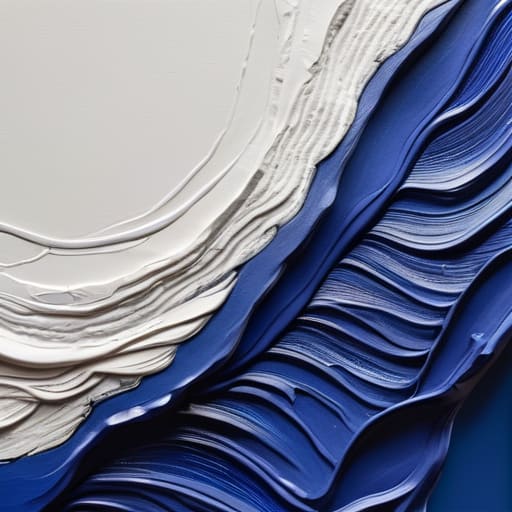
I’ve sat in countless studio visits where an artist proudly shows me a canvas that looks like it was painted with a damp sponge, only to act shocked when I tell them the price isn’t moving. There is a fundamental difference between a flat surface and a work that commands the room. This is where heavy body acrylics become more than just a convenience; they are a tool for establishing value. When you use these mediums to create actual relief, you are moving away from the realm of mere decoration and into the territory of sculpture.
Collectors, particularly those looking to make a serious investment, are drawn to the tactile qualities of art that they can almost feel with their eyes. If you are using palette knife techniques to build up ridges and valleys, you aren’t just adding “texture”—you are creating a physical presence that justifies a higher bracket. A flat, thinly applied painting can feel ephemeral, almost disposable. But a canvas with significant three-dimensional paint effects tells the buyer that this object has weight, both literally and economically. It proves the artist wasn’t just filling space, but was physically wrestling with the medium.
The Labor of the Surface
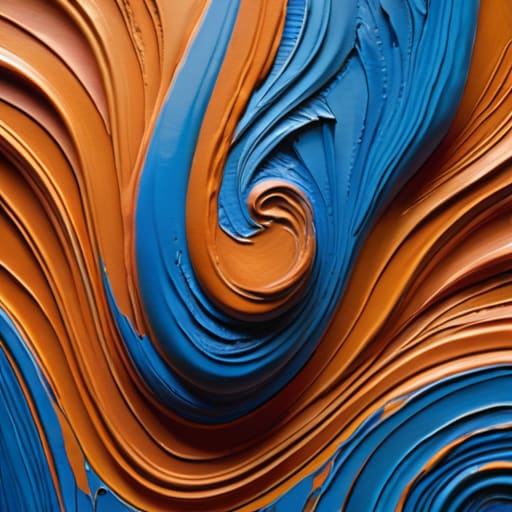
When a collector pays a premium for heavy impasto, they aren’t just buying a visual effect; they are buying the physical evidence of an artist’s labor—the literal topography of time and effort that transforms a flat canvas into a tangible, irreplaceable object.
Vivienne Ashworth-Pryce
The Value in the Visceral
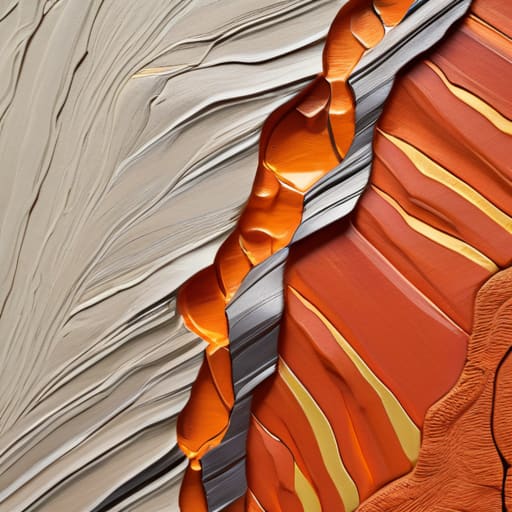
At the end of the day, we have to stop viewing texture as a mere technical flourish and start seeing it for what it truly is: a tool for value creation. We have discussed how heavy body acrylics provide the structural integrity needed for ambitious works, and how strategic impasto can manipulate light to create a sense of depth that a flat surface simply cannot replicate. When you lean into these techniques, you aren’t just playing with paint; you are building a physical argument for why your work deserves its place on a wall. Whether you are using a palette knife to create tectonic ridges or layering glazes to simulate subtle relief, you are providing the tangible evidence of labor that collectors look for when they decide if a piece is a fleeting trend or a lasting investment.
Don’t let the fear of “messiness” or the cost of high-quality mediums hold your hand back from exploring the three-dimensional potential of your canvas. The market is crowded with flat, safe, and ultimately forgettable images, but it has a profound hunger for work that demands to be seen from multiple angles. Use your texture to command the room, to catch the light in a gallery corner, and to give the viewer something to grapple with long after they have walked away. Stop painting for the screen and start painting for the human eye and the human hand; that is where the real magic—and the real profit—resides.
Frequently Asked Questions
At what point does heavy texture stop being an "artistic choice" and start becoming a logistical nightmare for shipping and insurance?
Oil on canvas, 48×48, 2024. I love the audacity of it, truly. But there is a line where your “expressionistic peaks” become a liability. When a protrusion is so aggressive that it requires custom-built, foam-lined crates and specialized transit insurance, you aren’t just selling art; you’re selling a logistical headache. If the cost of safely moving the work eats too deeply into your margin, you haven’t made a masterpiece—you’ve made a very expensive problem.
How do I price my work if the cost of my heavy-body mediums and specialized palette knives is eating significantly into my margins?
Oil, heavy-body acrylic, 30x30cm, 2024. It’s a beautiful piece, but you’re making a classic mistake: treating your materials as an afterthought. You cannot price based on “what feels fair”; you must price based on the reality of your overhead. If your palette knives and mediums are eating your margins, your base price is too low. Stop viewing high-quality materials as an expense to be managed and start viewing them as a value proposition for the collector.
When a collector asks why a textured piece costs twice as much as my flatter works, how do I explain the value without sounding like I'm just making up numbers?
Oil on linen, 36×48, 2024. I love it. But let’s be honest: you aren’t selling “extra paint.” You are selling the physical evidence of labor. When a collector asks about that price gap, tell them the truth: texture transforms a painting from a flat image into a sculptural object. It requires more material, more structural planning to prevent cracking, and a much higher risk of error. You aren’t inflating the price; you’re accounting for the complexity.
