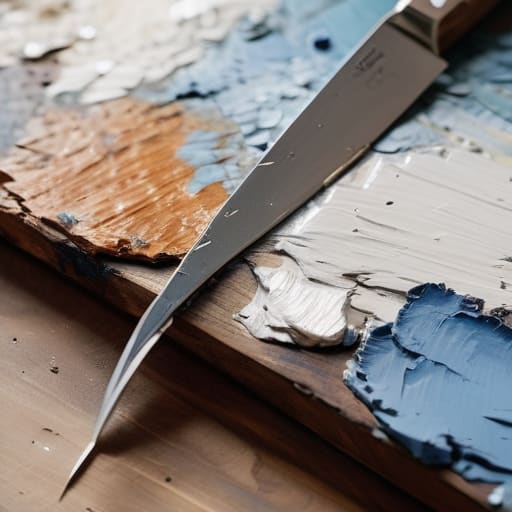

Oil on canvas, 30x40cm, 2014. I remember staring at it in my back room, feeling that familiar, hollow knot in my stomach because I knew—and I knew my collectors would know—that the piece was dead on arrival. Most “experts” will tell you that a failing work is a spiritual crisis or a lack of technical mastery, suggesting you need a month-long retreat or a more expensive set of brushes to find your way back. They are lying to you. Usually, when an artist asks how to fix a failing painting, the problem isn’t their soul or their talent; it’s a fundamental breakdown in compositional logic or a refusal to admit that a certain direction has simply hit a dead end.
I am not here to offer you platitudes about “finding your voice” or waiting for the muse to return. I am going to tell you how to look at a piece of work with the cold, clinical eye of a gallerist who has seen too many beautiful disasters take up valuable wall space. We are going to discuss how to identify the exact moment a painting loses its tension and, more importantly, when to stop saving it and start over.
Preventing the Ruin Oil Painting Crack Prevention
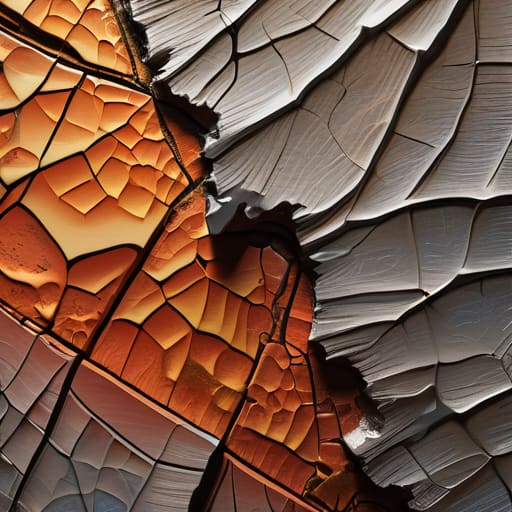
Most artists I advise treat their materials like an afterthought, but if you want to avoid a nightmare later, you have to understand the physics of what you’re putting on the wall. Oil painting crack prevention isn’t some esoteric ritual; it’s simply about managing the relationship between your medium and your support. If you’re rushing the drying process by cranking up the heat or using too much fat over lean layers, you aren’t just being “expressive”—you’re setting a ticking time bomb for your surface.
I’ve seen far too many promising careers stumble because a collector called, terrified that their investment was shedding. Often, the culprit isn’t the paint itself, but poor canvas tension repair or a lack of proper priming. If your support is sagging or your ground is brittle, the movement will eventually snap those pigment layers. You can learn the art conservation basics for free online, but the real lesson is this: build your work to last longer than your current mood. A painting that survives the first decade is a painting that can actually build a market.
The Science of Stability Canvas Tension Repair
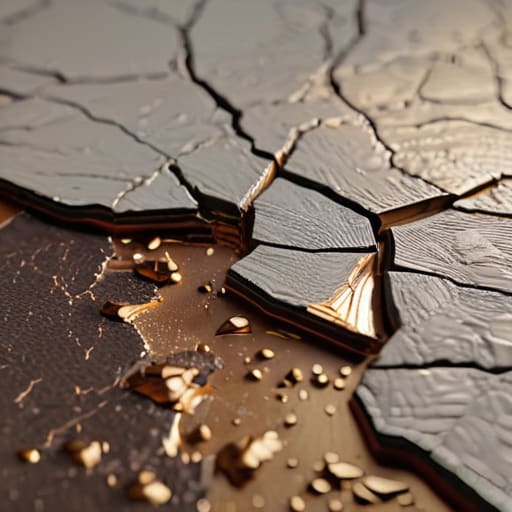
If the fabric is sagging, the paint is already losing the battle. I’ve seen far too many artists mistake a loose substrate for a “character” issue, when in reality, it is a mechanical failure waiting to happen. When a canvas loses its drum-tight surface, the paint film begins to flex unevenly with every temperature shift. This isn’t just an aesthetic nuisance; it is the primary driver behind fixing flaking paint layers later down the line. If the support isn’t stable, the medium won’t be either.
For those of you dealing with a slight slackness, professional canvas tension repair usually involves more than just tightening the stretcher bars—sometimes you’re looking at a full re-lining or a more surgical application of heat and moisture to reset the fibers. I always tell my clients: do not attempt to “patch” a sag with more gesso. You are merely adding weight to a failing foundation. If you want your work to hold its value in a collector’s home twenty years from now, you must ensure the tension is absolute before the first layer of pigment even touches the weave.
The Cost of Neglect
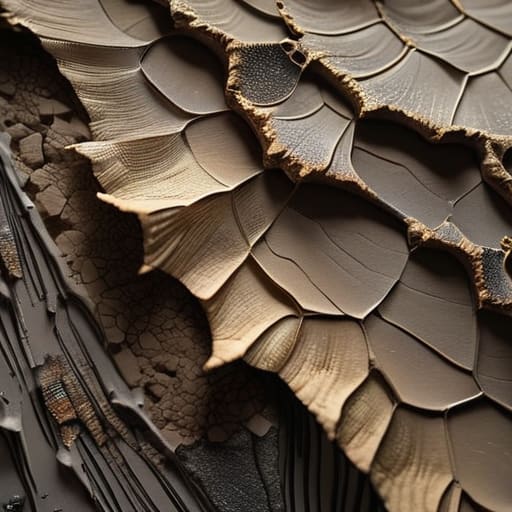
“I’ve seen collectors walk away from a masterpiece because the surface was crazing or the support was bowing, and quite frankly, I don’t blame them. You can have the most profound concept in the world, but if the physical object is failing, you aren’t selling art—you’re selling a liability. Fix the structural integrity before you even think about the prestige of the price tag.”
Vivienne Ashworth-Pryce
The Bottom Line on Longevity
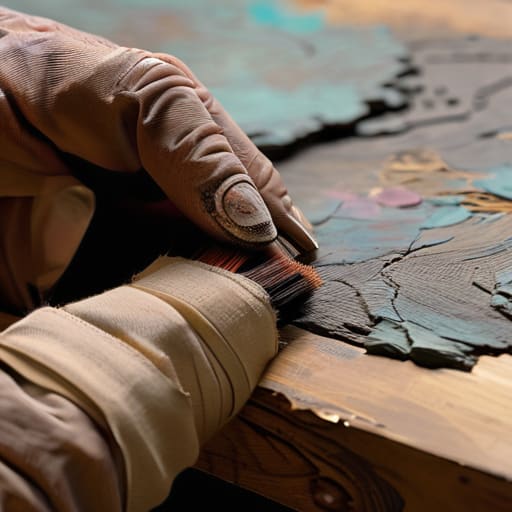
At the end of the day, fixing a failing painting is about more than just aesthetics; it is about protecting your professional reputation. Whether you are battling the chemical impatience of poorly behaved oils or the structural failure of a sagging, neglected canvas, the solution is always proactive maintenance rather than reactive panic. You must understand the physics of your materials—the way tension holds a vision together and how drying times dictate the life of a surface. If you ignore these technical realities, you aren’t just making art; you are creating future liabilities that will eventually erode the very value you are trying to build. Remember, a collector isn’t just buying your vision; they are buying the structural integrity of that vision.
I have seen far too many talented artists lose their footing because they treated the “craft” side of their work as an afterthought to the “creative” side. Don’t let that be you. Treat your studio like a laboratory and your materials like an investment, because once a work begins to degrade, the cost of repair—both in money and in lost collector trust—is astronomical. Take the time to master the boring, unglamorous mechanics of your medium. When you respect the stability of your work, you grant yourself the freedom to be as bold and experimental as you wish, knowing that your legacy is built on a foundation that won’t crack when the lights go up.
Frequently Asked Questions
If I find a crack in a piece I've already sold, am I legally or ethically obligated to pay for the restoration?
Oil on canvas, 30x40cm, 2018. It’s a nightmare scenario, isn’t it? Legally, unless you signed a specific warranty, you aren’t usually on the hook once the sale is final. Ethically, it’s murkier. If the crack is a result of your technical error—poorly prepared ground or rushed drying—a quick, professional fix is the honorable thing to do. Don’t let a preventable flaw turn a lifelong collector into a bitter critic. Protect your reputation; it’s worth more than the restoration fee.
At what point does a "fix" become a "patch job" that actually devalues the work in the eyes of a serious collector?
Oil on canvas, 24×30, 2024. It’s a fine question. You cross the line the moment the repair is visible under a raking light. A professional restoration aims for invisibility; a “patch job” is just you trying to hide a mistake with more paint. To a serious collector, a visible patch isn’t just a flaw—it’s a red flag that you don’t respect the longevity of your own medium. Once it looks amateur, the value evaporates.
How do I distinguish between a structural failure that needs a professional conservator and a surface issue I can handle myself?
If it’s just a bit of surface grime or a loose flake of paint that hasn’t even begun to lift, you can breathe. But the moment you see the canvas itself bowing, or if the paint is cracking in a way that suggests the support is actually moving, stop. If you try to “fix” a structural crack with a bit of glue and hope, you aren’t saving the piece—you’re devaluing it. Call a professional.
