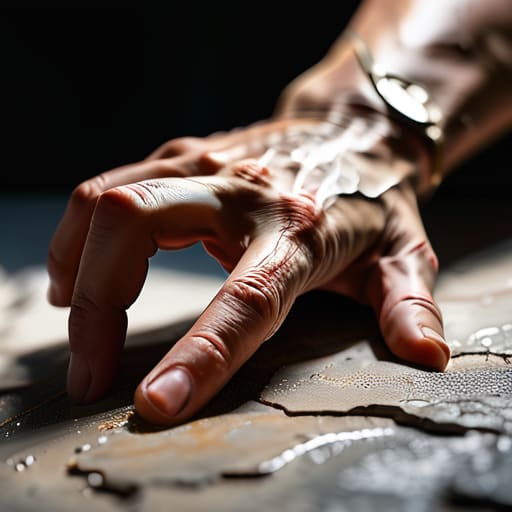

I once watched a well-meaning collector in my gallery attempt to “freshen up” a mid-century landscape with a damp microfiber cloth and a bit of enthusiasm. It was agonizing. They weren’t being malicious; they were simply falling for the myth that art is like a piece of fine mahogany furniture that needs a regular polish. The truth is, most people approach the subject of how to clean and maintain artwork with far too much aggression and far too little sense. If you treat a canvas like a countertop, you aren’t preserving it; you are actively dismantling its value one swipe at a time.
I am not here to sell you expensive, branded “art sprays” or suggest you hire a conservator every time a speck of dust dares to land on a frame. I’m going to tell you what actually matters: light, humidity, and the absolute, non-negotiable rule of leaving things alone unless you know exactly what you’re doing. I’ve spent twenty-six years seeing the difference between a piece that has been cared for and a piece that has been “cleaned” into oblivion. I’ll give you the practical, unromantic reality of how to keep your investments from rotting in plain sight.
Mastering Safe Cleaning for Oil Paintings Without Ruining the Asset
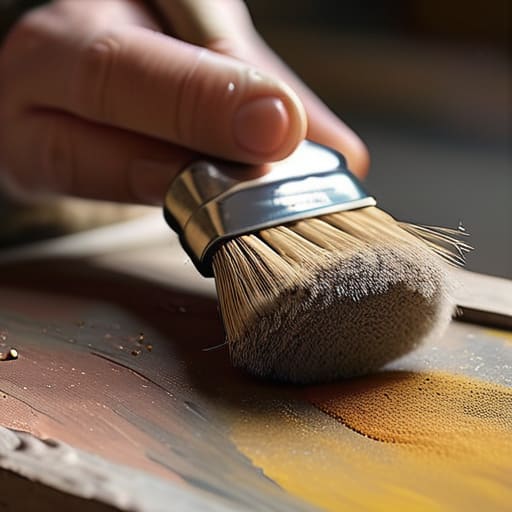
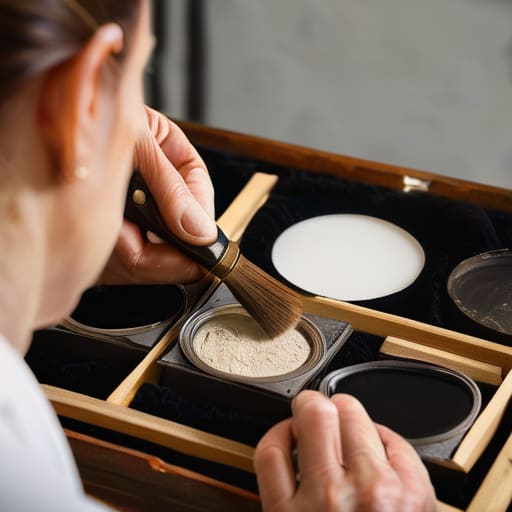
Let’s get one thing straight before you reach for a rag: oil paintings are not coasters, and they are certainly not kitchen tiles. Most artists I know treat their finished canvases like indestructible objects, but the chemistry of oil is a fickle, living thing. If you are attempting safe cleaning for oil paintings, the first rule is to do absolutely nothing unless there is a visible, physical threat to the surface. A light dusting with a soft, natural-hair brush—think squirrel or goat hair, not a cheap synthetic one from a craft store—is often the extent of what you should attempt.
If you see a film of grime or soot, do not, under any circumstances, use water or household cleaners. You aren’t scrubbing a floor; you are interacting with a complex layer of pigments and binders that can be permanently altered by a single damp swipe. When things get serious, you aren’t looking for a DIY hack; you are looking for professional art conservation techniques. If a piece has real market value, the moment you try to “fix” a smudge yourself, you have likely just devalued the asset by a significant percentage. Keep your hands off the surface and let the professionals handle the chemistry.
Professional Art Conservation Techniques You Can Actually Use
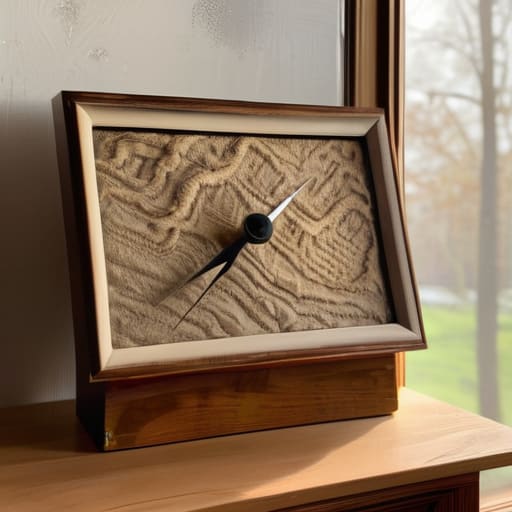
Now, let’s be clear: I am not suggesting you go out and buy a vat of solvent and start playing chemist in your living room. Professional art conservation techniques are designed for specialists with a microscope and a steady hand, but there are a few principles of stewardship you can adopt without needing a PhD. The most important thing you can do is stop reacting to damage and start preventing it. This means mastering humidity control for fine art; if your studio or home swings wildly between bone-dry winters and humid summers, the canvas is essentially breathing in a way that will eventually tear its own fibers apart.
If you are dealing with three-dimensional work, the stakes change. Cleaning delicate sculptures requires an even lighter touch than a canvas—think soft, natural goat-hair brushes rather than anything synthetic or abrasive. You aren’t just removing dust; you are managing the micro-environment around the object. Whether it’s a bronze or a ceramic, the goal is to minimize physical contact. If you treat your pieces like precious assets rather than mere decor, you’ll find that preventing degradation is far cheaper than paying a conservator to undo a decade of neglect.
The Cost of Negligence
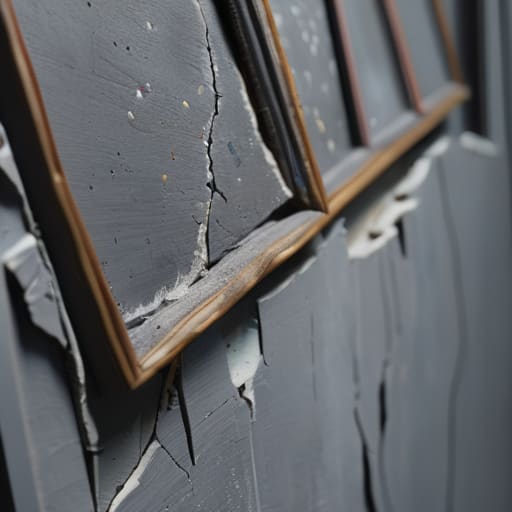
You can spend ten years building a reputation and a decade building a collection, but you can undo all of that in a single afternoon with a damp rag and a bit of misplaced confidence; treat your art like an asset to be preserved, not a piece of decor to be dusted.
Vivienne Ashworth-Pryce
The Cost of Neglect
Look, I’ve seen more beautiful canvases ruined by a well-meaning person with a damp rag than by actual age. We’ve covered the essentials: knowing when to pick up a soft brush for dust and when to immediately stop everything and call a professional conservator. Whether you are dealing with the delicate varnish of an oil painting or the stubborn grime on a sculpture, the rule remains the same: if you aren’t 100% certain of the chemistry involved, don’t touch it. Maintaining an asset isn’t about being precious; it’s about preventing a total loss of value through sheer, avoidable negligence.
At the end of the day, a collection is more than just a line item on a balance sheet or a way to fill a blank wall. These pieces are vessels of intent, capturing a moment of an artist’s life that you now hold in trust. When you take the time to care for them properly, you aren’t just protecting an investment; you are respecting the labor that went into every brushstroke. Treat your art with the seriousness it deserves, and it will continue to reward you, both emotionally and financially, for decades to come.
Frequently Asked Questions
If I see a crack or a flake of paint starting to lift, do I try to fix it myself or is that the exact moment I need to stop touching it and call a professional?
Oil on canvas, 12×12, 2024. Or perhaps it’s a 19th-century landscape. It doesn’t matter. If you see a flake of paint lifting, you stop. Immediately. Put the cotton swab down and walk away. Trying to “glue” a flake back on is the fastest way to turn a minor repair into a permanent, amateurish scar that devalues the work by half. That is the exact moment you call a conservator. Don’t play hero with your investment.
I’ve heard people suggest using specific wipes or even mild soap, but at what point does "home maintenance" become "irreversible damage"?
Oil on canvas, 24×30, 2024. I’ll tell you right now: the moment you reach for a “specialized” wipe or a damp cloth, you’ve already lost. If you see a layer of grime that looks like it’s actually part of the paint film, or if the varnish has turned yellow and tacky, stop. That is the line. Anything beyond a gentle, dry dusting with a soft brush is no longer maintenance; it’s amateur vandalism.
How much does the actual environment—humidity, sunlight, even the way I hang things—really impact the resale value compared to just physical dust and grime?
Oil on canvas, 40×30, 2024. If you think dust is your enemy, you’re looking at the wrong side of the ledger. Dust is a nuisance; environmental neglect is a catastrophe. You can wipe away grime, but you cannot “clean” UV damage or a warped substrate caused by fluctuating humidity. A layer of soot might lower a price slightly, but light-faded pigments and structural decay turn a blue-chip asset into a total write-off.
