
I spent twenty-six years in a physical gallery, smelling of turpentine and expensive espresso, watching artists mistake “visibility” for “viability.” Now, every time I talk to a painter, they point to a flashy Instagram reel or a predatory website builder as if that’s a substitute for a business model. They think a complete guide to selling art online is just about picking a pretty template and posting a photo of a canvas, but they are fundamentally missing the point. If you think a high follower count is the same thing as a sustainable career, you are being sold a very expensive lie by people who don’t care if you can pay your studio rent next month.
I am not here to teach you how to use a filter or which hashtag will trend by Tuesday. My promise to you is much more practical and, frankly, much more unromantic. I am going to strip away the digital mystique and show you how to treat your online presence like the commercial enterprise it actually is. We will discuss the logistics of shipping, the reality of digital margins, and how to build a collector base that actually buys, rather than just “likes.”
The Truth About E Commerce for Artists and Hidden Fees

Most artists approach e-commerce for artists with a dangerous level of optimism, assuming that because they’ve bypassed the gallery, they’ve bypassed the costs. They haven’t. You might not be handing over fifty percent to a director in a linen suit, but you are certainly paying for the privilege of existing online. Between transaction fees from platforms like Shopify or Etsy, payment processor cuts, and the inevitable software subscriptions that promise to “streamline” your life, your margins are being nibbled to death by a thousand digital cuts. If you aren’t accounting for these in your pricing original artwork, you aren’t running a business; you’re running an expensive hobby.
Then there is the physical reality that no website can hide: the logistics. You can have the most beautiful interface in the world, but if you haven’t mastered shipping artwork safely, one cracked canvas will wipe out the profit from your last ten sales. Collectors aren’t just buying your vision; they are buying the assurance that it will arrive in one piece. Don’t let a cheap box or a lack of insurance be the reason your brand loses its reputation before it even finds its footing.
An Unfiltered Art Marketplace Comparison for Your Bottom Line
Let’s stop pretending that every platform is created equal. If you’re looking for a quick art marketplace comparison, you’ll find plenty of glossy brochures, but they won’t tell you how much of your soul—or your profit—is being eaten by transaction fees and visibility algorithms. Etsy is a crowded flea market; it’s fine for prints or small trinkets, but if you try to sell a high-end oil painting there, you’re essentially shouting into a hurricane of craft supplies and handmade jewelry. You might get eyes on the work, but you won’t find the collector who understands the value of a serious piece.
Then you have the specialized sites like Saatchi or Artfinder. These feel more professional, but they come with a different kind of tax: the gatekeeper’s cut. While they offer better digital art sales strategies by putting you in front of serious buyers, they also demand a significant slice of the pie and often dictate how you present yourself. My advice? Don’t let the platform become your identity. Use them as a tool, but never mistake a marketplace listing for building an artist brand that actually has staying power.
The Digital Illusion of Control
Selling online isn’t just about clicking ‘upload’ and hoping for a miracle; it’s about realizing that while you’ve bypassed the gallery’s fifty percent commission, you’ve suddenly inherited the responsibility of being your own shipping department, marketing agency, and customer service desk—and if you haven’t factored those invisible costs into your price tags, you aren’t running a business, you’re running an expensive hobby.
Vivienne Ashworth-Pryce
The Bottom Line

At the end of the day, selling online isn’t about finding a magic platform that does the work for you; it’s about understanding the math behind the screen. You now know that every transaction carries a weight—whether it’s the transaction fee of a marketplace, the marketing cost of driving your own traffic, or the logistical headache of shipping a fragile canvas across the country. If you don’t account for these margins, you aren’t running a business, you’re just funding a very expensive hobby. Stop treating your digital storefront like a digital wish list and start treating it like the commercial enterprise it actually is. Know your numbers, protect your margins, and never let a platform’s “convenience” mask a predatory fee structure.
Look, the transition from the studio to the digital market is jarring, and it can feel incredibly lonely when you realize how much of the “art world” is actually just logistics and data. But don’t let the spreadsheets dampen your spirit. The goal isn’t to become a tech mogul; the goal is to ensure that your ability to create is sustained by your ability to sell. You have the talent, and now you have the blueprint to handle the business side without getting fleeced. Go back to your studio, make something magnificent, and then sell it on your own terms. You’ve earned the right to own your own economy.
Frequently Asked Questions
If I’m selling directly through my own website, how do I know if I’m actually making a profit once I factor in the shipping insurance and the specialized packaging that doesn't arrive crushed?
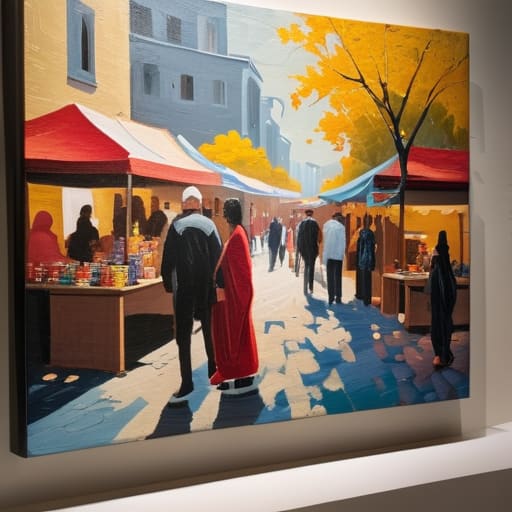
Oil on canvas, 40x40cm, 2024. It’s a sensible question, and frankly, it’s the one most artists forget until they’re staring at a broken frame and a bank balance that hasn’t moved. You aren’t “making a profit” if you’re just subsidizing the collector’s delivery experience. You must build a “buffer line” into your retail price. Treat packaging and insurance as a fixed cost of production, not a variable afterthought. If your margin doesn’t absorb a mishap, your price is wrong.
At what point does it become more cost-effective to pay a gallery's fifty percent commission rather than trying to manage the relentless, unpaid labor of digital marketing and customer service myself?
You reach that tipping point when the time you spend wrestling with Instagram algorithms or answering “is this available?” emails starts costing you more than the commission itself. If you’re spending twenty hours a week playing digital secretary instead of actually making work, you aren’t an artist anymore; you’re an unpaid marketing assistant. When your production slows down because you’re too busy managing a website, pay the fifty percent. It’s better to sell fewer pieces at a higher rate than to burn out for pennies.
How do I maintain a sense of "prestige" and value for my work when I'm competing for attention against every other artist on a crowded, discount-driven social media feed?
You cannot compete on volume or “engagement” metrics; that is a race to the bottom. Prestige isn’t about how many likes you get; it’s about the distance between you and the noise. Stop treating your Instagram like a clearance rack. Curate your digital presence with the same rigor I used in my gallery—limited editions, high-quality documentation, and a refusal to participate in the “flash sale” culture. If you act like a commodity, you will be priced like one.
