

I remember a client back in the late nineties—a lovely woman with more money than patience—who came into my gallery clutching a receipt for a massive, neon-soaked neo-expressionist canvas. She looked absolutely terrified. She had spent a small fortune on a piece that sat in her dining room like a screaming stranger because she had no idea how to collect with a theme; she had simply reacted to a momentary impulse. Most people think collecting is about chasing the “next big thing” or filling a void on a white wall, but that’s how you end up with a chaotic jumble of expensive clutter that lacks any real intellectual or financial backbone.
I am not here to sell you on the romantic myth of the “accidental connoisseur.” Instead, I’m going to give you the practical, unvarnished mechanics of building a collection that actually means something. We are going to strip away the pretension and look at how to identify a cohesive thread—whether it’s a medium, a specific era, or a recurring conceptual question—so that every piece you buy feels like a deliberate decision rather than a lapse in judgment.
Finding a Niche in Collecting Before You Overspend
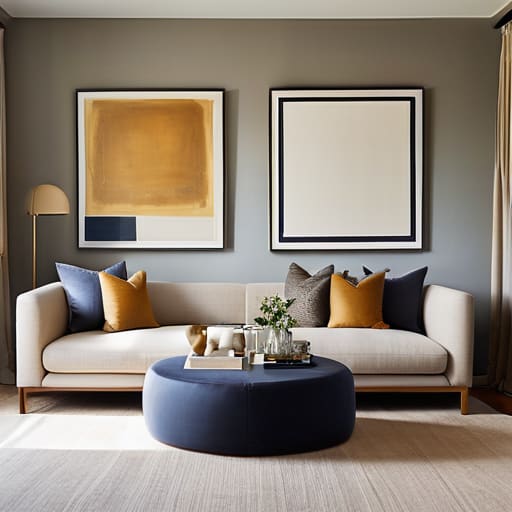
The biggest mistake I saw in my gallery wasn’t people buying “bad” art; it was people buying everything they liked until their living room looked like a flea market had exploded. When you’re just starting, the impulse is to grab whatever catches your eye in a moment of passion. But if you want to move from a buyer to a collector, you have to start finding a niche in collecting before your bank account takes the hit. You don’t need a massive budget to be disciplined; you just need a boundary.
Decide whether you are drawn to a specific medium, a particular era, or perhaps a recurring motif like botanical studies or industrial landscapes. This isn’t about limiting your joy; it’s about curating a collection that actually has a backbone. Without a sense of direction, you aren’t building a legacy, you’re just accumulating clutter. If you can define your “lane” early on, you’ll stop wasting money on beautiful pieces that ultimately have nothing to say to one another.
Thematic vs Random Collecting Why Impulse Is Expensive
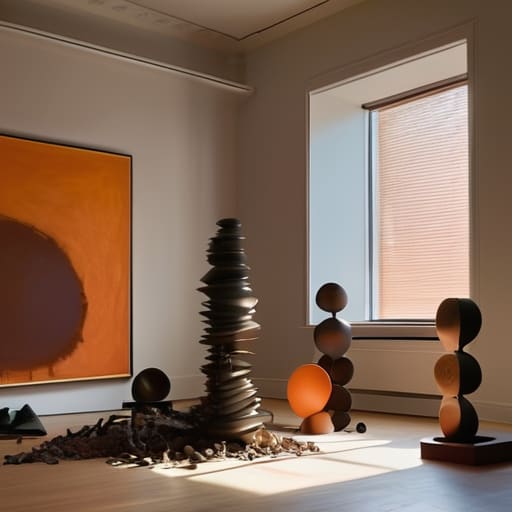
We have all been there. You are at an opening, the wine is decent, and a piece catches your eye. It’s vibrant, it’s visceral, and suddenly your bank account feels much larger than it actually is. But here is the cold, hard truth: impulse buying is the fastest way to end up with a room full of expensive clutter rather than a meaningful body of work. When you succumb to the dopamine hit of a single purchase without considering thematic vs random collecting, you aren’t building a legacy; you are just decorating.
The problem with the “scattershot” approach is that it lacks a cohesive narrative. I spent decades watching collectors buy pieces that had absolutely nothing to say to one another, leaving them with a fragmented mess that is nearly impossible to resell as a coherent set. By focusing on curating a collection with intention, you shift from being a mere consumer to a strategist. You begin to understand that a collection isn’t just a pile of assets; it is a deliberate act of storytelling through objects. If you can’t explain why Piece A belongs next to Piece B, you haven’t collected anything—you’ve just spent money.
The Cost of a Scattered Collection

A collection isn’t just a pile of things you liked on a Tuesday afternoon; if it lacks a thread, it’s just expensive clutter. When you collect with a theme, you aren’t just buying art—you are building a narrative that actually has the legs to hold its value when the market shifts.
Vivienne Ashworth-Pryce
The Long Game of the Collected Life

At the end of the day, collecting with a theme isn’t about being precious or following some rigid, academic rulebook; it’s about moving from a buyer of objects to a curator of a vision. We’ve discussed why impulse purchases are the fastest way to drain your bank account without building any real momentum, and why finding your niche early prevents you from ending up with a living room full of beautiful, expensive clutter that has nothing to say to one another. If you can master the discipline of saying “no” to a lovely piece simply because it doesn’t fit your narrative, you are already ahead of ninety percent of the people walking into my gallery. You are trading the temporary dopamine hit of a new acquisition for the long-term satisfaction of a cohesive, intentional collection.
Don’t let the fear of “getting it wrong” paralyze you. Your theme can evolve, shift, and breathe just as you do, but having a North Star makes the journey infinitely more rewarding. When you eventually look across your walls, you shouldn’t just see a series of transactions; you should see a coherent conversation happening between the works. Art is an investment of both capital and soul, and by collecting with intention, you ensure that both are spent wisely. Stop chasing the next shiny thing and start building something that lasts.
Frequently Asked Questions
How do I know if my theme is actually a coherent strategy or if I'm just obsessing over a single artist?
Oil on canvas, 40cm x 40cm, 2024. It’s a fine question. If your “theme” is just a list of works by one person, you aren’t collecting; you’re speculating on a single career. That’s a gamble, not a strategy. A real theme is a thread that connects different hands—perhaps a specific use of light, a recurring botanical motif, or a shared era of abstraction. If you can’t find the connection without mentioning the artist’s name, you don’t have a theme.
At what point does a themed collection become too narrow, effectively trapping my capital in a niche that might lose its market relevance?
Oil on canvas, 40cm x 40cm, 2024. I like it, but I like the question more. You’ve gone too narrow when you can no longer find new artists who fit the criteria without feeling like you’re forcing a marriage. If you’re hunting for “blue abstracts from 1960s Scandinavia” and the market shifts, you aren’t a collector; you’re a specialist holding a very specific, very illiquid bag. Build a theme, not a cage.
If I start with a very specific theme, how do I eventually transition into broader collecting without making my existing collection look like a collection of mistakes?
Oil on canvas, 40cm x 40cm, 2024. I like it, but let’s talk about your fear of being “boxed in.” You aren’t making mistakes; you’re building a foundation. Think of a theme as your anchor, not your cage. To transition, look for the connective tissue—a shared palette, a similar tension, or even a recurring scale. You move from the specific to the adjacent. You don’t abandon the theme; you expand its borders.
