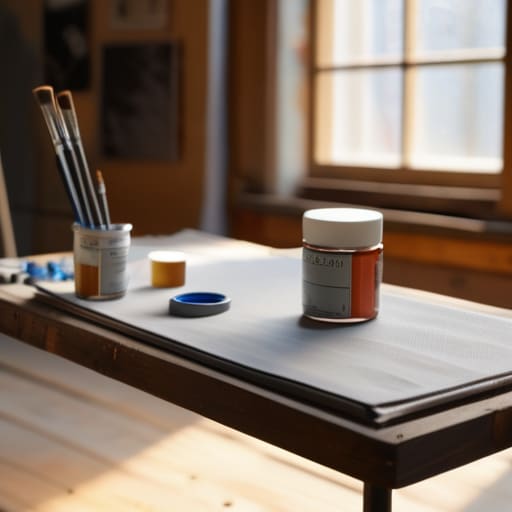

I remember a young landscape painter named Julian who used to come into my gallery with works that were, quite frankly, heartbreaking. The composition was there, the light was divine, but the paint was literally peeling off the surface like sunburnt skin because he’d insisted on using student-grade oils on a buck-fifty canvas from a big-box craft store. He thought he was being fiscally responsible, but he was actually committing professional suicide. When clients ask how to choose paints and supports, they aren’t looking for a lecture on chemical compositions; they are looking for the truth about how to ensure their work doesn’t turn into a pile of expensive dust in five years.
I am not here to sell you on the prestige of a particular French brand or to tell you that you need a gold-leafed easel to be taken seriously. Instead, I’m going to give you the unvarnished reality of material longevity versus profit margins. We are going to discuss how to choose paints and supports that actually respect the price tag you eventually put on your work, because nothing kills a collector’s trust faster than a masterpiece that begins to crack before the varnish is even dry.
Artist Grade vs Student Grade Paint a Collectors Litmus Test
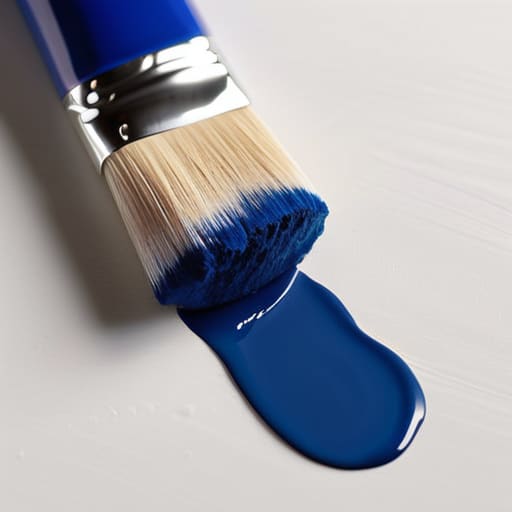
I once had a collector—a lovely man with more money than patience—who spent forty thousand pounds on a series of landscapes, only to call me three years later because the blues were turning a muddy, sickly grey. It wasn’t the artist’s hand that failed; it was the chemistry. When you are looking at the distinction between artist grade vs student grade paint, you aren’t just paying for a prettier tube. You are paying for the concentration of pigment. Student-grade paints are heavily laden with fillers and extenders to keep them budget friendly, which is fine for a classroom, but a disaster for a long-term investment.
If you are an artist, understand this: a collector isn’t just buying your vision; they are buying the permanence of that vision. Using low-quality oil paint pigment quality to save a few pounds on your overhead is the fastest way to ensure your work never finds its way into a serious collection. High-end pigments possess a lightfastness that cheap fillers simply cannot mimic. If your work is meant to live on a wall for fifty years rather than five, you cannot afford to be stingy with the chemistry.
Why Cheap Mediums and Binders for Painters Ruin Your Legacy

I’ve seen it happen more times than I care to admit: a bright, ambitious painter produces a series of stunning works, only to have them turn into a muddy, cracking mess within a decade. When you skimp on your mediums and binders for painters, you aren’t just saving money; you are essentially writing a post-dated check that your future self—and your collectors—will eventually have to cash. If you use a cheap, synthetic medium to stretch your expensive pigments, you are inviting chemical instability into the very DNA of your work.
Collectors don’t just buy a visual moment; they buy an object that is intended to endure. If I’m advising a client on a significant acquisition, the first thing I look at isn’t just the brushwork, but the structural integrity of the piece. Using inferior binders can cause the paint film to become brittle or, worse, lose its translucency. You might think you’re being clever with budget friendly art supplies, but if your work yellows or delaminates in fifteen years, you haven’t just lost a sale—you’ve lost your reputation.
The Hidden Math of Longevity
If you’re selling a piece for three thousand pounds but using student-grade pigments that will crack or fade before the collector’s first anniversary, you aren’t an artist; you’re a con artist. You have to realize that a collector isn’t just buying your vision—they are buying the right to pass that vision down to their children, and they’ll know exactly how much you cheated them by the way the colors surrender to the light.
Vivienne Ashworth-Pryce
The Bottom Line on Your Materials

At the end of the day, choosing your materials is a financial decision as much as a creative one. If you are selling a piece for three thousand pounds but using student-grade pigments and unprimed linen, you aren’t just being frugal; you are building a house on sand. You have to understand that the collector isn’t just buying your vision—they are buying the physical longevity of that vision. When I looked at a piece in my gallery, I wasn’t just looking at the brushwork; I was looking for the structural integrity that justifies the price tag. Don’t let a lack of foresight in your studio lead to a catastrophic loss of value once that work leaves your hands and enters a collection.
I know it feels like a sting to spend more on a tube of cobalt blue or a heavy-weight cotton duck than you would like, but view it as an investment in your own professional reputation. You are the only person in this equation who can guarantee the quality of the object being sold. When you respect your materials, you command respect for your prices. Stop treating your supplies like an afterthought and start treating them like the foundation of your career. Build something that is actually worth owning, and the market will eventually find its way to your door.
Frequently Asked Questions
If I’m working on a budget, is it better to buy a few high-end tubes of pigment or a whole set of mediocre student-grade paints?
Buy the high-end tubes. Every single time. If you buy a massive set of mediocre student-grade paints, you aren’t “saving” money; you’re just spreading a thin layer of disappointment across your entire palette. You’ll end up muddying your colors and fighting the pigment just to get a decent hue. Invest in the few colors you actually use—your cadmiums, your ultramarines—and use what you have. Quality in your core palette is non-negotiable for a professional finish.
How can I tell if a gallery or a collector is actually looking at the quality of my materials, or are they just looking at the finished image?
The short answer? Most aren’t. Most collectors are buying an emotion, an image, or a status symbol; they aren’t looking for the pigment load or the archival stability of your binder. However, a serious gallerist—the kind worth having—will notice. They know that a painting that cracks or fades in five years is a liability to their reputation. If they don’t ask about your process, they’re just buying a picture, not an investment.
At what point does the cost of premium supports—like linen versus cotton—start to negatively impact my ability to price my work competitively?
Oil on linen, 40×40, 2024. Listen, you aren’t pricing for your overhead; you’re pricing for the object’s longevity. If you’re working in a medium that demands archival stability, a cheap cotton canvas is a ticking time bomb that devalues your brand. Use linen when the scale or the price point demands a “heirloom” feel, but don’t use it as an excuse to inflate a small study. Price for the value of the vision, not a receipt for your supplies.
