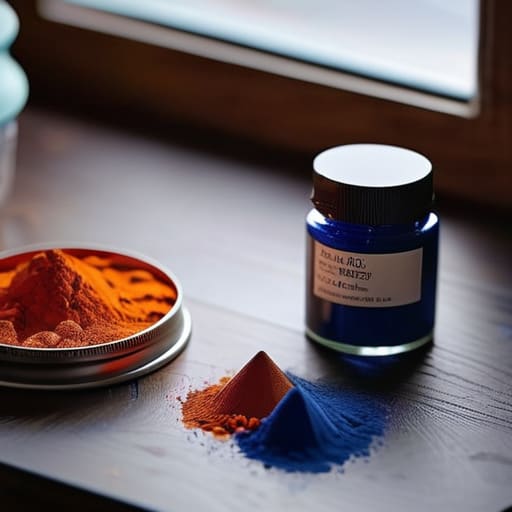

I remember standing in the back of a studio in the late nineties, watching a young painter mix a batch of Cadmium Yellow with the kind of reckless abandon usually reserved for teenagers. There was no mask, no ventilation, just a cloud of fine, heavy dust hanging in the air like a death sentence in a beautiful shade of gold. People love to romanticize the “tortured artist” archetype, suggesting that breathing in heavy metals is just part of the grit required to make something meaningful. It’s absolute nonsense. If you want to talk about how to paint safely with pigments, we need to stop treating toxicity as a badge of honor and start treating it like the serious occupational hazard it actually is.
I’m not here to sell you an expensive, over-engineered laboratory setup or a subscription to some high-end wellness seminar. I’m going to tell you what actually matters: how to manage your workspace, which specific powders are the real killers, and how to protect your lungs without strangling your creative flow. You’ve spent enough money on brushes and linen; don’t let your health be the one thing you can’t afford to replace.
Toxic Pigment Identification Knowing What You Really Own

Don’t let the beautiful, hand-labeled jars fool you. I’ve seen artists treat a tube of Cadmium Red with the same casual disregard they give a tube of Ochre, simply because the packaging looks “professional.” It doesn’t matter how much you paid for your studio or how many prestigious exhibitions you’ve had; if you don’t understand toxic pigment identification, you are essentially gambling with your biology. You cannot rely on a brand’s marketing to tell you what is dangerous; you have to look at the chemistry.
This is where most people get lazy. They skip the paperwork because they’d rather be painting, but you must become intimately familiar with material safety data sheets for artists. These sheets aren’t just bureaucratic filler; they are the only honest documents in your studio. They will tell you if a pigment is a carcinogen, a heavy metal neurotoxin, or a respiratory irritant. If you aren’t checking the SDS before you crack open a new batch of professional-grade powders, you aren’t being an artist—you’re being a martyr for a craft that requires you to be alive to enjoy it.
Material Safety Data Sheets for Artists Reading the Fine Print
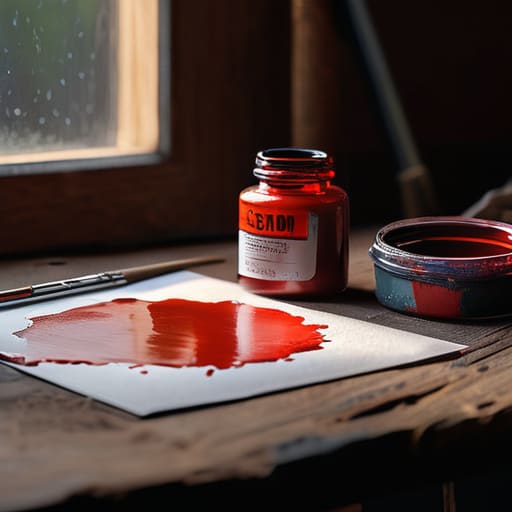
Now, I know what you’re thinking. You see a stack of technical documents and your instinct is to treat them like a boring tax return. But if you want to treat your studio like a professional workspace rather than a hobbyist’s corner, you need to stop ignoring material safety data sheets for artists. These aren’t just bureaucratic hurdles; they are the only honest documents in your studio. While a tube of paint might look beautiful and inviting, the MSDS tells you exactly what that cadmium or cobalt is doing to your lungs and your nervous system.
Don’t just skim for the brand name; look for the specific hazard statements and the required personal protective equipment for artists. If the sheet says “harmful if inhaled” or “skin irritant,” it isn’t a suggestion—it’s a warning. I’ve seen too many talented people treat their health like an afterthought, thinking they can just “work around” the toxicity. You can’t negotiate with heavy metal poisoning. Reading the fine print is the difference between a lifelong career and a studio that eventually becomes a liability you can no longer afford to inhabit.
The Hidden Liability in Your Studio

You spend years obsessing over whether your color theory is sophisticated enough for a collector, yet you treat your pigment safety like an afterthought. Let me be blunt: a beautiful series of oils isn’t worth a damn if you’ve compromised your respiratory health to produce them. You wouldn’t sign a contract without reading the fine print, so stop treating your heavy metals like they’re harmless decorations.
Vivienne Ashworth-Pryce
Protecting Your Most Important Asset

At the end of the day, safety isn’t some tedious administrative hurdle or a way to dampen your creative flow; it is the foundation of a sustainable career. We have covered the necessity of identifying your heavy metals, the absolute requirement of reading those MSDS sheets, and the non-negotiable reality of proper ventilation. If you treat your studio like a laboratory rather than a playground, you stop being a victim of your materials and start being their master. Remember, a beautiful canvas means very little if you are too physically compromised to pick up a brush ten years from now. Don’t let unnecessary toxicity become the silent thief of your longevity.
I have seen too many brilliant talents fade away, not because their vision failed, but because they neglected the basic mechanics of their environment. You are an investor in your own talent, and your health is the primary capital you possess. Treat your safety protocols with the same rigorous discipline you apply to your color theory or your composition. When you respect the chemistry of your craft, you aren’t just protecting your lungs; you are ensuring that your voice remains loud and clear for decades to come. Now, go back to your studio, check your labels, and paint with the confidence of someone who knows exactly what they are handling.
Frequently Asked Questions
If I’m working in a small home studio rather than a professional facility, what are the absolute non-negotiables for ventilation?
Oil on canvas, 12×12, 2024. I like it, but let’s be clear: a cracked window in a spare bedroom is not a ventilation strategy. If you aren’t working in a dedicated facility, your non-negotiables are an air purifier with a HEPA and charcoal filter—specifically designed for VOCs, not just dust—and a cross-breeze that actually moves air rather than just swirling it around your lungs. If you can smell the medium, you’re already breathing it.
Is it actually worth the extra expense to buy "artist grade" pigments if the cheaper ones are more toxic, or is that just marketing fluff?
Oil on linen, 12×12, 2024. I think it’s a question that strikes at the very heart of your overhead.
How do I safely clean my brushes and palettes without turning my sink into a hazardous waste site?
Oil, acrylic, or heavy metals—it doesn’t matter. If you’re rinsing cadmium or cobalt directly down the drain, you aren’t just being messy; you’re being irresponsible. You need a two-stage system: a dedicated rinse jar for initial cleaning and a secondary wash with mild soap. For oils, use a rag to wipe the bulk of the medium off before any solvent touches the sink. Treat your waste like the liability it is.
