

I remember standing in the corner of a drafty, repurposed warehouse during a London graduate exhibition in the late nineties, nursing a lukewarm glass of cheap Prosecco and watching a collector squint at a series of charcoal drawings. He wasn’t looking at the technique; he was looking for a sign—some sort of institutional stamp of approval that whispered, this person is worth the risk. There is a persistent, polished myth that these shows are merely chaotic student showcases, but the reality of how degree shows work for buyers is far more transactional. They aren’t just displays of talent; they are the first time a collector can test the intellectual rigor of an artist before they ever hit the polished white walls of a commercial gallery.
I’m not here to tell you that a diploma makes a masterpiece, nor am I going to feed you the usual academic fluff about “emerging voices.” Instead, I’m going to pull back the curtain on the actual mechanics of these shows. I will tell you how to distinguish between a student who has simply mastered a medium and one who has mastered a concept, and why that distinction is exactly what determines whether your investment holds its value or evaporates the moment they graduate.
The Pedigree Premium Decoding the Degree Shows Value Proposition
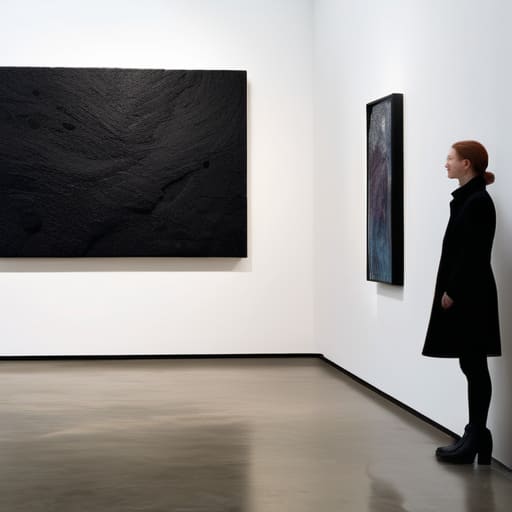
When I was running my gallery, I saw collectors approach degree shows with a very specific kind of hunger. They weren’t just looking for a pretty landscape; they were looking for a narrative of potential. In terms of degree shows market positioning, these exhibitions function as a high-stakes vetting process. A collector isn’t just buying a canvas; they are buying into the idea that they have identified a talent before the rest of the world catches up. It is a speculative play, fueled by the belief that the institutional stamp of approval—the university, the tutors, the rigorous critique—acts as a proxy for quality control.
However, we must be honest about the degree shows value proposition. For the buyer, the “premium” isn’t actually in the paint itself, but in the mitigation of risk. They are paying for the assurance that the artist has undergone a structured, professionalized period of development. It provides a sense of security that the person behind the work has the discipline to sustain a career, rather than just a fleeting moment of inspiration. It’s a calculated bet on a trajectory, not just a transaction for an object.
Degree Shows Market Positioning Finding Signal Amidst the Noise
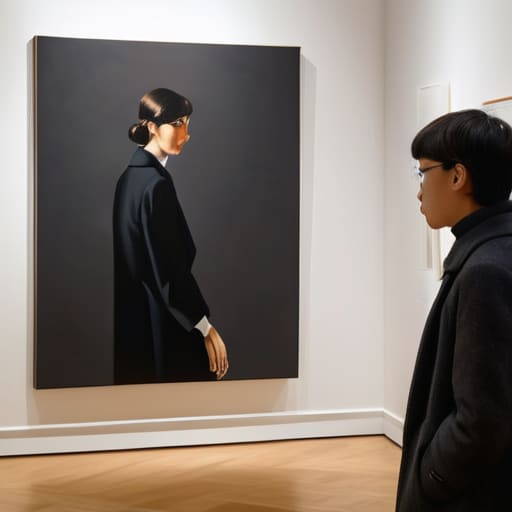
When you walk into a degree show, you aren’t just looking at student work; you are witnessing a high-stakes exercise in degree shows market positioning. These exhibitions are the first time an artist attempts to transition from “student” to “professional entity,” and the market reacts accordingly. For a buyer, the draw isn’t just the novelty of fresh ideas, but the ability to get in on the ground floor before the inevitable price hikes occur once a commercial gallery takes them on. It is a unique window where the barrier to entry is low, but the potential for intellectual growth is high.
However, navigating this space requires a discerning eye to separate the genuine talent from the mere academic exercise. You have to understand the competitive landscape of the graduating class; everyone is trying to shout at once, which can make the signal incredibly difficult to find. I always tell my clients that a degree show is a laboratory. You aren’t buying a finished, blue-chip legacy yet; you are buying the momentum of a career that has just been validated by an institution.
The Risk Mitigation of the Diploma

“A collector isn’t just buying a canvas when they walk into a degree show; they are buying a vetted trajectory. They’re paying for the assurance that the artist has survived the scrutiny of a faculty, the rigor of a curriculum, and the exhaustion of a final critique—because in this market, a degree acts as a very expensive, very visible insurance policy against the amateur.”
Vivienne Ashworth-Pryce
The Bottom Line on the Degree Show

At the end of the day, buying from a degree show isn’t about finding the next Picasso; it’s about participating in a specific kind of market entry point. You are looking for the intersection of raw technical potential and the institutional stamp of approval that suggests an artist has survived the rigors of a formal curriculum. While you must remain wary of the hype, remember that these shows offer a unique window into the emerging talent pipeline before the secondary market and the blue-chip galleries drive the entry price into the stratosphere. You aren’t just buying a canvas; you are buying a seat at the table of an artist’s formative years.
If you find a piece that speaks to you, don’t let the lack of a CV or a decades-long exhibition history intimidate you. The most rewarding collections I ever saw weren’t built on safe, institutional bets, but on the ability to see the spark before the rest of the world catches fire. Use the degree show as your compass, but let your own eye be your North Star. After all, the institutions provide the pedigree, but you provide the validation that actually allows an artist to turn a practice into a profession.
Frequently Asked Questions
If I'm buying from a degree show, am I just paying for a fancy graduation certificate rather than the actual quality of the work?
Oil on linen, 40cm x 40cm, 2024. It’s a fair question, but you aren’t buying the certificate; you’re buying the vetting process. A degree show is essentially a high-stakes filter. You aren’t paying for the paper, you’re paying for the fact that a faculty of specialists has spent three or four years scrutinizing that artist’s technical growth and conceptual rigor. You’re buying the potential of a trajectory, rather than a finished legacy.
How can a collector tell the difference between an artist who is genuinely a rising star and one who is just riding the momentum of their university's reputation?
Oil on canvas, 60x80cm, 2024. I like it, but I don’t love it. To tell the difference, look past the institution’s branding and look at the technical rigor. A rising star has a consistent visual language that survives outside the classroom. A momentum-rider is often just a clever student playing the “concept” game. If the work collapses the moment you remove the university’s name from the label, you aren’t buying talent; you’re buying a brochure.
Is it actually better to buy early at a degree show, or am I better off waiting until they have a proper commercial gallery behind them?
It’s the classic high-stakes gamble. Buying at a degree show is pure speculation; you’re paying for raw potential and the thrill of being “first,” but you’re also absorbing all the risk of an artist who hasn’t yet learned how to manage a studio or a career. Waiting for a commercial gallery offers stability and a curated track record, but you’ll pay the “proven” premium. If you have the stomach for the gamble, buy the talent. If you want an asset, wait for the gallery.
