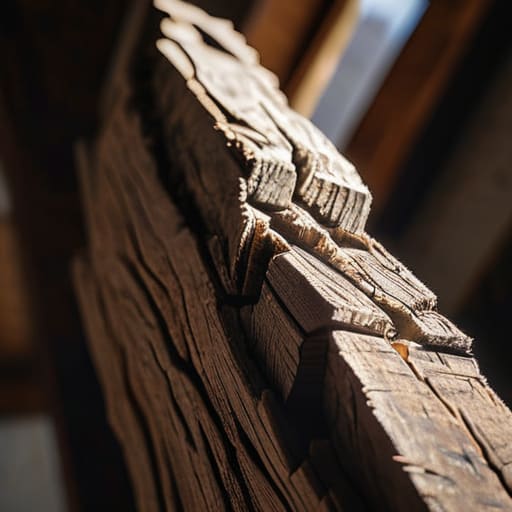

I remember a landscape oil, 60cm x 80cm, 1994. It was a stunning piece by a young man I represented early on, but by the time I saw it again five years later, the surface was a topographical map of cracks and yellowed varnish. He had used student-grade oils and a canvas that was more glue than cotton, thinking the “art” would excuse the chemistry. This is the part they don’t teach you in studio classes: understanding how materials affect longevity isn’t some academic luxury for museum curators; it is the absolute bedrock of your professional reputation. If your work begins to self-destruct in a collector’s dining room, you haven’t just lost a sale—you’ve poisoned your own well.
I am not here to sell you on expensive, brand-name solvents or to tell you that every pigment must be sourced from a monastery in the Himalayas. I am here to tell you what actually matters when you are trying to build a career that lasts longer than a single season. We are going to strip away the marketing fluff and look at the uncomfortable reality of substrates, binders, and lightfastness. I’ll show you where you can afford to be frugal and exactly where cutting corners is nothing short of professional suicide.
Why Acid Free Paper Standards Are Non Negotiable
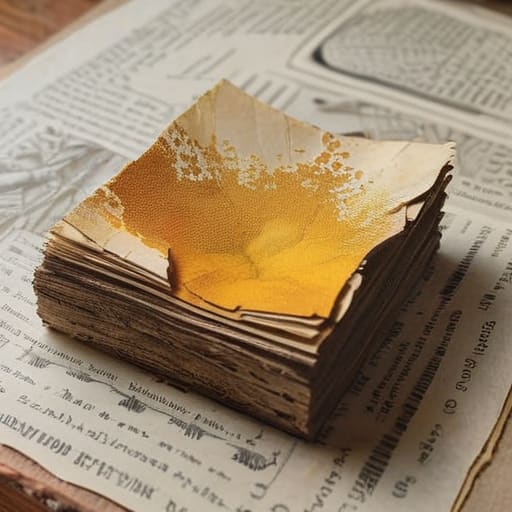
I once had a lovely printmaker in the Cotswolds—a woman with hands like sandpaper and a soul of pure gold—who insisted on using a specific, beautiful, but tragically acidic rag paper because she loved the “tooth” of it. Two years later, the edges of her prints had turned the color of a bruised banana. She wasn’t trying to cheat her collectors; she simply didn’t realize she was selling them a slow-motion disaster. When we talk about acid-free paper standards, we aren’t just reciting a checklist for the sake of being pedantic. We are discussing the difference between a piece that survives a move and one that dissolves in its own chemistry.
If you aren’t verifying the pH levels of your substrates, you are essentially gambling with your reputation. Collectors aren’t just buying your vision; they are buying the promise that the work will look exactly the same in twenty years as it does today. Neglecting archival quality testing is a fundamental failure of professional practice. You might think you’re saving a few pounds on a ream of paper, but you’re actually undermining the very foundation of your market value.
The Chemical Stability of Polymers and Your Legacy
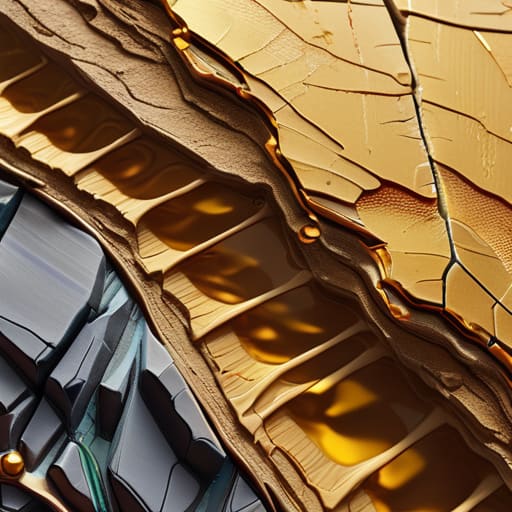
If you are working with acrylics or resin, you aren’t just playing with color; you are engaging in a long-term chemical experiment. I have seen too many young artists assume that because a medium is “modern,” it is inherently permanent. That is a dangerous fallacy. The chemical stability of polymers is not a given. If you are using student-grade acrylics or, heaven forbid, unrated resins that haven’t undergone rigorous archival quality testing, you are essentially building your career on a foundation of shifting sand.
Over a decade, poorly formulated polymers can yellow, crack, or even delaminate from the substrate. This isn’t just a technical hiccup; it is a breach of trust with your collector. When a buyer invests five thousand pounds in a piece, they aren’t just buying your vision—they are buying a physical object they expect to outlive them. If that object begins to succumb to environmental degradation of artifacts because you chose a cheaper binder to pad your margins, you haven’t just lost a sale; you’ve permanently damaged your reputation in the very rooms where you need it most.
The Cost of Cutting Corners
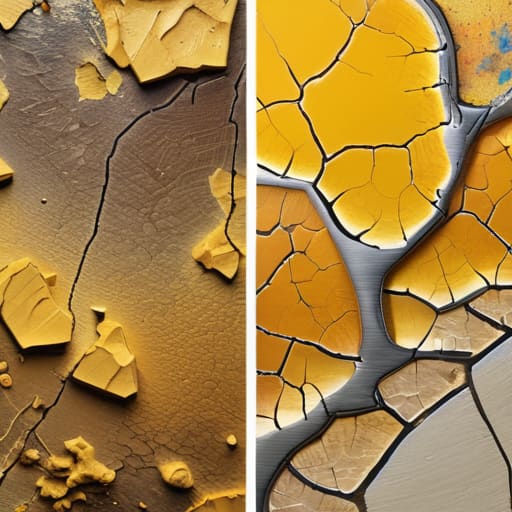
If you’re using cheap, acidic paper or unstable pigments to pad your margins today, you aren’t just being frugal—you’re handing your collectors a ticking time bomb that will devalue your entire legacy before the first resale even happens.
Vivienne Ashworth-Pryce
The Cost of Cutting Corners
At the end of the day, your choice of substrates and pigments isn’t just a technicality; it is a financial decision that dictates your future market value. We have discussed why acid-free papers are the bare minimum and why the chemical stability of your polymers determines whether a piece remains a masterpiece or becomes a muddy mess in a decade. If you ignore these fundamentals, you aren’t just being “experimental”—you are actively undermining your own brand. A collector isn’t just buying your vision; they are buying a tangible asset that they expect to endure. When that asset begins to yellow, crack, or flake, the blame won’t fall on the light in their hallway; it will fall squarely on the artist who prioritized convenience over permanence.
I want you to stop looking at high-quality materials as an unnecessary overhead and start seeing them as your most vital insurance policy. You spend years, sometimes decades, honing your technique and finding your voice; do not let a cheap roll of paper or a fugitive pigment erase that effort in a single generation. Treat your materials with the same reverence you treat your concepts. When you invest in the best, you aren’t just making art; you are building a legacy that can withstand the test of time and the scrutiny of the secondary market. Build something that actually lasts, and the collectors will follow.
Frequently Asked Questions
If I’m working on a tight budget, is there a middle ground between "cheap junk" and "museum grade," or am I just choosing how fast my work will rot?
Look, I’ve seen too many “emerging” artists try to save their way into a career, only to find their entire body of work turning yellow and brittle by age thirty. There is a middle ground, but it isn’t found in the bargain bin at a craft store. You don’t need archival gold leaf, but you do need professional-grade, lightfast materials. Think of it as investing in your reputation; if the work fails physically, the market won’t care how brilliant the concept was.
How much does the actual environment of a collector—like a sunny living room or a humid coastal house—matter if I’ve used high-quality materials?
Oil on linen, 36×48, 2024. It’s a beautiful piece, but it’s not invincible. Look, high-quality materials are your insurance policy, not a magic shield. If you sell a masterpiece to a collector in a glass-walled villa in Malibu or a damp cottage on the Cornish coast, you’re handing them a volatile situation. Even the best pigments can shift or crack if the environment is hostile. You’ve done your part; now they have to do theirs.
When a collector asks me about the "archival quality" of a piece, what specific technical details am I actually expected to know to prove I'm not lying?
Don’t just nod and say “it’s archival.” That’s how you lose a serious collector’s trust. You need to talk specifics: the pH neutrality of your paper, the lightfastness rating of your pigments—look for those Blue Wool Scale numbers—and whether your binders are stable or prone to yellowing. If you’re working in oils, mention the fatty acid content; if it’s acrylic, mention the polymer stability. They aren’t looking for a lecture; they’re looking for proof of stewardship.
