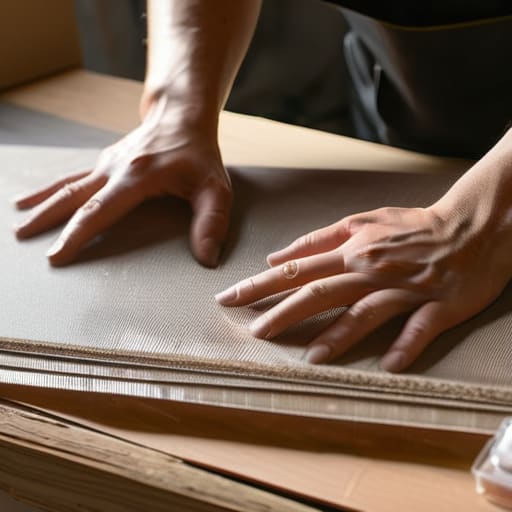

I once watched a young sculptor, a brilliant boy with more talent in his pinky than most of the blue-chip crowd, lose a three-month commission because he thought a heavy-duty cardboard box and some prayer were sufficient. He’d spent his entire advance on bronze casting and neglected to budget for a proper crate, and when that piece arrived at the collector’s door with a structural fracture, the sale didn’t just vanish—the relationship did. Most of the advice you find online about how to ship artwork safely is either written by people who have never handled a piece of value or by companies trying to sell you a subscription to a service you don’t need. They make it sound like a complex science, but in reality, it’s just about not being reckless with your livelihood.
I’m not here to give you a lecture on bubble wrap density or the physics of kinetic energy. Instead, I’m going to tell you how to protect your profit by understanding the actual mechanics of transit. We are going to strip away the jargon and look at the unvarnished truth of packing, crating, and choosing carriers so that when your work leaves your studio, it actually arrives in one piece.
Protecting Canvas During Transit Without Sacrificing Your Margin
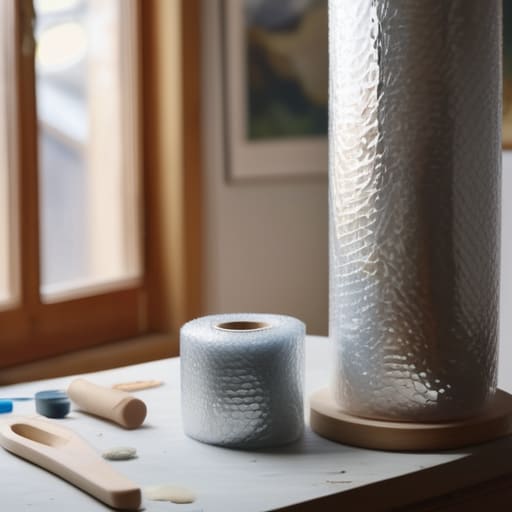
Here is the reality: most artists treat packaging like an afterthought, right up until a collector calls to say their $3,000 oil painting arrived looking like it was dragged behind a truck. You cannot simply wrap a canvas in a single layer of bubble wrap and pray to the gods of logistics. If you are working with heavy impasto or delicate surfaces, you need to understand the fundamental difference between bubble wrap vs glassine paper for art. Never let bubble wrap touch the face of a painting directly; the plastic can leave permanent, circular indentations in your paint or, worse, stick to the varnish in high humidity. Use glassine as your first skin to provide a non-abrasive barrier, then build your armor from there.
When you are trying to protect your margins, the temptation is to use cheap, flimsy mailers to save a few pounds. Don’t. If you aren’t using sturdy, double-walled cardboard or investing in custom art crate construction for your larger pieces, you aren’t shipping art; you are gambling with your reputation. A single dented corner isn’t just a damaged product—it’s a lost client and a massive headache regarding insurance claims. Spend the extra money on proper materials now, or prepare to spend twice as much later trying to fix a disaster.
Bubble Wrap vs Glassine Paper for Art the Professional Standard
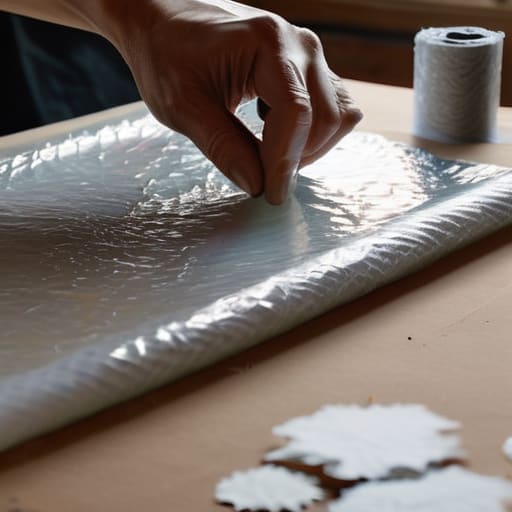
Listen, I have seen more ruined surfaces than I care to count, and most of them happened because an artist thought bubble wrap was a universal solution. It isn’t. If you take a piece of oil paint or a delicate pastel and wrap it directly in plastic, you are essentially creating a vacuum-sealed tomb. The heat trapped by that plastic can soften your medium, and the texture of the bubbles can leave permanent, microscopic indentations in a soft surface. When we discuss bubble wrap vs glassine paper for art, the distinction is the difference between a professional transaction and a heartbreak.
Glassine is your first line of defense. It is pH-neutral, acid-free, and smooth enough to slide over a surface without grabbing the pigment. You wrap the work in glassine first to create a breathable, non-stick barrier, and only then do you bring in the heavy artillery of bubble wrap for shock absorption. If you are investing in high-quality art shipping supplies for painters, do not skimp here. Using glassine isn’t just a “best practice”; it is the bare minimum required to ensure that what leaves your studio is actually what arrives at the collector’s door.
The High Cost of Cheap Packaging
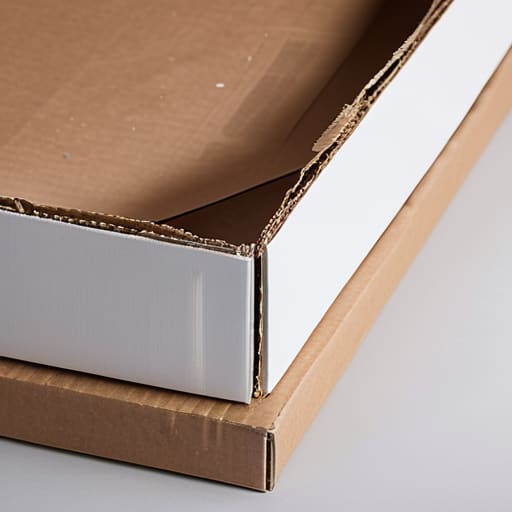
If you think you’re saving fifty pounds by skipping the custom crate and opting for a flimsy cardboard box, you aren’t being frugal; you’re gambling with your reputation. I have seen collectors—people with deep pockets and even deeper expectations—refuse to pay a cent for a replacement when a piece arrives with a corner dented because the artist thought bubble wrap was a substitute for structural integrity. You don’t just ship a painting; you ship the promise that it will arrive exactly as it left your studio.
Vivienne Ashworth-Pryce
The Final Layer of Defense
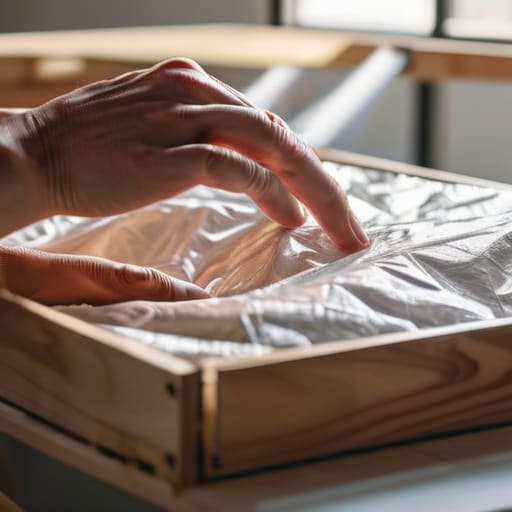
At the end of the day, shipping isn’t just a logistical chore; it is the final, critical stage of your production process. You have spent weeks, perhaps months, wrestling with color theory and composition, only to risk it all because you thought saving twenty pounds on a custom crate was a smart business move. Between choosing the right glassine to protect your surfaces and ensuring your structural bracing can withstand a courier tossing a box like a rugby ball, you are essentially protecting your reputation. If a collector opens a package and finds a corner dented or a surface scuffed, they aren’t just looking at damaged art—they are looking at a professional failure that erodes their trust in you and your entire practice.
I know it feels like a distraction from the actual making of work, but please understand that the business of being an artist requires you to be your own most rigorous advocate. You cannot afford to be precious about the art while being reckless with the logistics. Treat your shipping protocols with the same reverence you treat your brushwork, and you will find that the market respects you more for it. Ship your work with the confidence of someone who knows that the art doesn’t truly exist until it is safely in the hands of the person who loves it. Now, go pack those boxes properly.
Frequently Asked Questions
If I'm shipping a small, unframed work, is it actually worth the expense of a custom crate, or am I just throwing money away?
Oil on paper, 10×12, 2024. If it’s small and unframed, a custom crate is an indulgence you don’t need. You aren’t shipping a bronze sculpture; you’re shipping a flat object. Spend that money on heavy-duty, acid-free mailers and rigid backing boards instead. A well-constructed, reinforced cardboard mailer is plenty, provided you sandwich the work between stiff layers. Don’t pay for a wooden coffin when a sturdy envelope will do the job.
How do I know when a piece is "insured" versus just "covered," and who actually pays the deductible if the courier decides to be careless?
Listen, there is a massive difference between a courier’s “basic liability” and actual transit insurance. “Covered” usually means the shipping company will pay you a pittance based on their weight-based liability—pennies on the dollar—if they drop your crate. “Insured” means you’ve paid a premium to cover the full declared value. And when things go sideways? You pay the deductible. Unless your contract says otherwise, that’s your cost, not the gallery’s.
At what point does the cost of professional packing start to eat so much into my sale price that I'm better off just raising my art prices to compensate?
Oil on canvas, 24×30, 2024. It’s a math problem, darling, not a moral one. When your crating and insurance costs exceed 10% of the hammer price, you aren’t “protecting the work”—you’re subsidizing the buyer’s convenience with your own rent money. If a piece requires a custom crate just to survive a flight to Chicago, that cost belongs in the invoice. Stop absorbing the logistics; bake the protection into the price.
