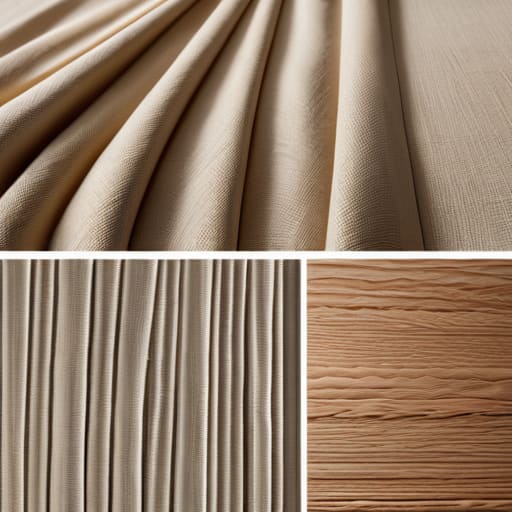

I remember a young oil painter—talented, bright-eyed, and utterly penniless—who came into my gallery in 2004 with a series of large-scale canvases that looked magnificent under the spotlights. Six months later, a collector called me, distraught, because the pigment was flaking off the support like dry skin. He hadn’t just lost his money; he’d lost his trust in the artist. Most people will tell you that the “soul” of the work is all that matters, but if you don’t understand how to choose a painting surface that can actually survive the next fifty years, you aren’t making art; you’re making temporary decorations.
I’m not here to sell you on the romantic notion that any scrap of wood or cheap fabric will suffice for your vision. Instead, I am going to strip away the marketing fluff from the art supply catalogs and give you the hard truth about substrates. We are going to discuss the structural integrity, the archival reality, and the actual cost-per-square-inch of your options. By the end of this, you’ll know exactly how to select a surface that protects your reputation and ensures your work remains a sound investment for your collectors.
Why Absorbency of Art Materials Dictates Your Long Term Value
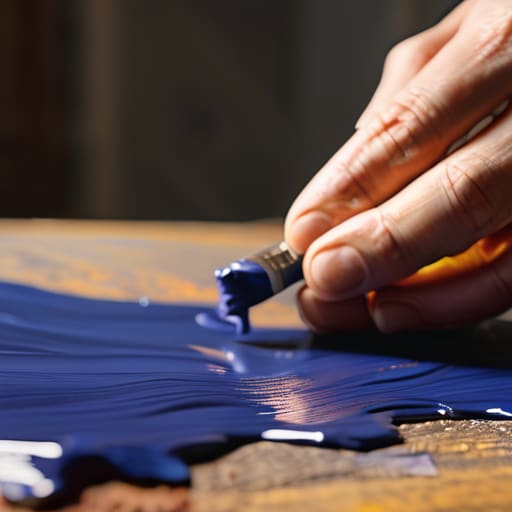
If you want a collector to view your work as a legacy rather than a temporary decoration, you have to respect the chemistry of what you’re building. I’ve seen far too many artists treat the substrate as an afterthought, only to have a piece crack or flake within a decade because they ignored the absorbency of art materials. When you’re working with oils, you need a surface that manages that oil-to-pigment ratio without becoming a sponge that sucks the life out of your colors, or conversely, a surface so slick that nothing stays put.
The technical reality is that your choice of medium compatibility with surfaces dictates whether your work survives a move or a change in humidity. If you’re jumping between oil painting vs acrylic surfaces, you cannot simply assume one primer works for both. For instance, failing to properly manage your priming canvas with gesso can lead to a catastrophic failure of the paint film. You aren’t just making a picture; you are constructing a physical object that needs to remain stable for fifty years. If the foundation is chemically volatile, the price tag on that frame becomes a lie.
Medium Compatibility With Surfaces Dont Sabotage Your Own Technique
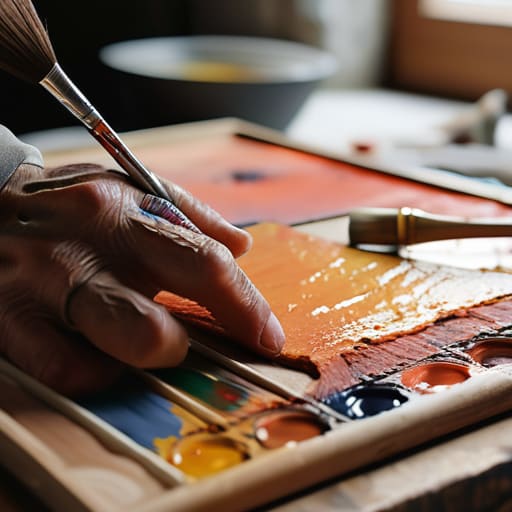
I have seen far too many artists walk into a gallery with a piece that looks technically proficient but feels “wrong” to the touch because they fought their own materials. If you are working in oils but using a surface meant for heavy acrylic application, you aren’t just making a choice; you are setting a trap for your future self. The debate of oil painting vs acrylic surfaces isn’t just academic—it’s about how the pigment sits, how it dries, and how it will look in a collector’s living room ten years from now.
If you’re a heavy impasto painter, don’t even think about touching a flimsy, poorly primed canvas. You need the structural integrity of a prepared board or a heavy-duty linen. Conversely, if you’re working in thin, luminous glazes, a surface that is too toothy will swallow your light and leave you frustrated. You must master medium compatibility with surfaces before you ever put brush to substrate. If your medium and your surface are at war, the viewer will feel that tension, and quite frankly, they won’t pay the premium your talent deserves for a work that feels fundamentally unstable.
The Invisible Cost of a Bad Substrate
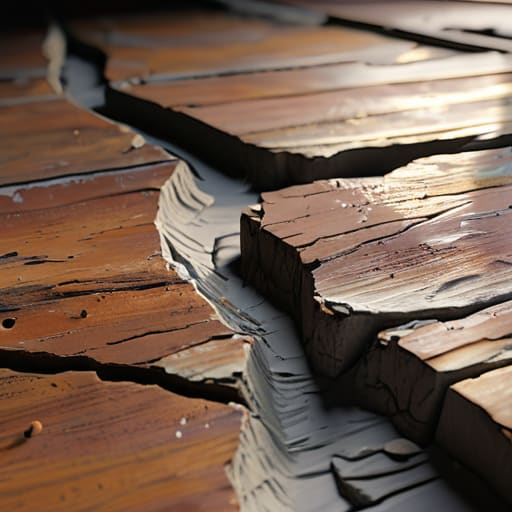
“I’ve seen collectors walk away from a piece they loved simply because the surface looked ‘tired’—cracked, buckled, or uneven—and quite frankly, they were right to do it. You can have the most transcendent technique in the world, but if you’re painting on a substrate that can’t support the weight of your ambition, you aren’t making art; you’re making a liability that no serious buyer will touch.”
Vivienne Ashworth-Pryce
The Bottom Line on Your Canvas
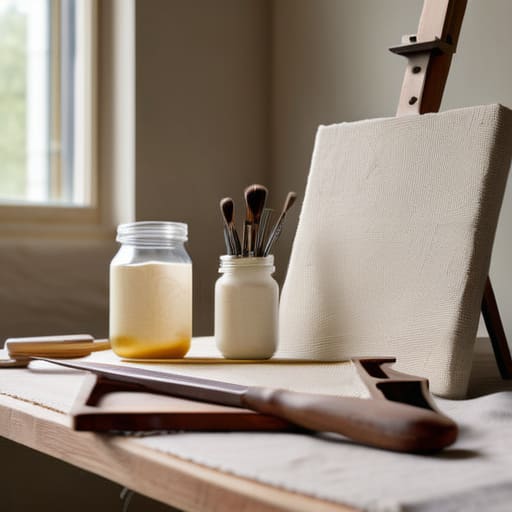
At the end of the day, choosing a surface isn’t some lofty, aesthetic decision; it is a fundamental business decision. If you ignore how absorbency affects your pigment or how a specific medium reacts to a primed linen versus a cheap cotton duck, you aren’t just making a technical error—you are actively devaluing your future inventory. I have seen far too many talented artists walk into a gallery with work that looks spectacular under studio lights but begins to crack, yellow, or warp within three years because they tried to save a few pounds on the substrate. Remember, a collector isn’t just buying your vision; they are buying the longevity of the object. If the surface fails, the art fails, and your reputation goes right down the drain with it.
Don’t let the intimidating terminology of suppliers make you feel like you need a chemistry degree to get started. You simply need to respect the relationship between your hand, your tools, and the ground beneath them. Once you master the mechanics of how your materials behave, you can stop worrying about the “what if” and start focusing on the “what is.” Treat your surfaces with the same respect you give your subject matter, and you will find that your work carries a professional weight that even the most cynical collector will recognize. Now, get back to the studio and make something that’s actually built to last.
Frequently Asked Questions
If I’m using high-end oils, is there a point where spending more on a premium linen versus a heavy-duty canvas actually changes the resale value for a collector?
Oil on linen, 40 x 30cm, 2024. Now, to your question.
How do I balance the need for a surface that can handle heavy impasto without the whole thing cracking or delaminating from the support in ten years?
Oil on linen, 40x40cm, 2024. If you’re building up heavy impasto, stop looking at cheap, flexible canvases. They’re a ticking time bomb for delamination. You need a rigid, high-quality wooden panel—preferably birch or aluminum—primed with a professional-grade acrylic gesso. A stable, non-moving support is the only way to ensure that thick texture stays married to the surface rather than cracking into a heap of expensive dust ten years from now.
At what stage of my career should I stop using student-grade boards and start investing in archival-grade substrates to justify my price increases?
Oil on wood, 40cm x 40cm, 2024. Listen, the moment you decide to stop treating your art as a hobby and start treating it as a business, you switch. If you’re charging more than a few hundred pounds, you cannot be selling work on surfaces that will warp or yellow within a decade. Collectors aren’t just buying your vision; they are buying an asset. Don’t ask for professional prices while using amateur materials.
