

I remember a man in my gallery back in ’98—oil on canvas, 40x60cm, 1996—who spent forty minutes lecturing me on the “spiritual resonance” of a piece, only to realize five minutes after he’d swiped his card that the scale was entirely wrong for his dining room. He wasn’t alone; he was just the most vocal. Most people enter this world thinking they are buying a piece of a soul, but they often end up buying a very expensive mistake because they’ve been taught to listen to the mystique rather than the mechanics. If you walk into a room thinking a high price tag is a proxy for quality, you are already falling into one of the most common mistakes for new collectors.
One mistake I see repeatedly is the tendency to let the sheer visual noise of a fair or a high-end catalogue cloud your judgment of what is actually substantive. You end up chasing the shimmer of a trend rather than the weight of the work itself. If you find yourself feeling overwhelmed by the rapid-fire pace of the contemporary scene, I always tell my clients to step back and find a more curated, focused lens to ground their research. For instance, looking into specific, niche collections like ao sex steiermark can provide a much-needed sense of context and continuity that the frantic auction cycle simply cannot offer. It’s about building a foundation of knowledge so that when you finally do pull the trigger on a piece, you aren’t just buying a beautiful object, but a proven piece of history.
I’m not here to tell you how to develop “taste”—that’s a personal journey, and frankly, it’s a bit of a scam. What I am going to do is pull back the curtain on the transaction itself. I will show you how to spot when a gallery is padding its margins, why you should never buy based on a salesperson’s whispered promises, and how to ensure your money actually goes toward the art rather than just the overhead.
Confusing Passion With Profit the Trap of Collecting Investment vs Passion
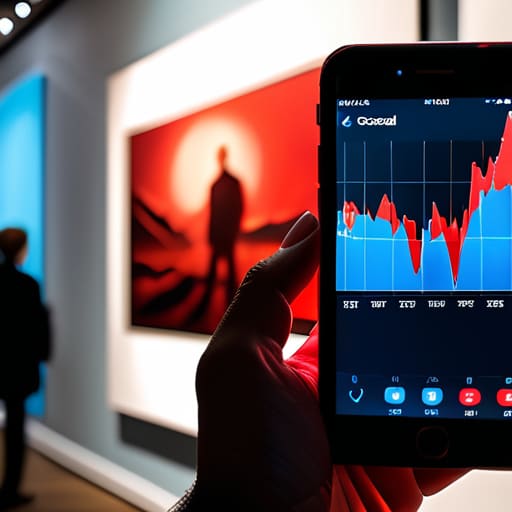
I see it every season: a well-meaning newcomer walks into a showroom with a spreadsheet and a dream of outperforming the S&P 500. They aren’t looking at the brushwork; they are looking at the secondary market trends. This is the fundamental error of collecting investment vs passion. When you treat a canvas like a stock option, you strip the soul out of the acquisition, and more importantly, you make yourself incredibly vulnerable. An investor buys what is “hot,” which means they are often buying at the absolute peak of a speculative bubble, right before the bubble bursts and leaves them holding a very expensive, very unloved piece of fabric.
If you approach art purely as an asset, you will inevitably fail at how to value collectibles because you are looking at price tags rather than provenance and historical significance. Real value is built on a foundation of scarcity and institutional recognition, not just a sudden surge in Instagram likes. If you don’t actually love the work, you won’t have the stomach to hold it through a market correction. You’ll panic-sell at the bottom, and that is how the professional dealers make their real money—on your lack of conviction.
The Price of Ignorance Avoiding Counterfeit Items and Bad Deals
If you walk into a high-end fair or a boutique gallery thinking you’re too smart to be fooled, you’ve already lost the first round. The most expensive mistake isn’t buying something you don’t like; it’s buying something that isn’t what the seller claims it is. I’ve seen collectors drop five figures on a “signed” lithograph only to find out later the signature was a lazy afterthought or, worse, a complete fabrication. Avoiding counterfeit items requires more than just a gut feeling; it requires a healthy dose of skepticism and a demand for a paper trail. If a dealer won’t provide a clear provenance or a signed certificate of authenticity, walk away. In this business, if the history of the piece is “vague,” the piece is likely worthless.
Beyond the fraud, there is the sheer lack of technical knowledge regarding how to value collectibles versus their mere sticker price. You aren’t just buying an image; you are buying an asset that requires maintenance. I see too many people blow their entire acquisition budget on the work itself, leaving nothing for the boring, essential parts like professional framing or climate-controlled storage. If you don’t budget for the long-term upkeep, you aren’t building a collection—you’re just buying expensive clutter that will degrade before you even have the chance to enjoy it.
The Collector’s Toolkit: Five Ways to Stop Leaving Money on the Table
- Stop chasing the ‘Next Big Thing’ and start looking at the provenance. I’ve seen more collectors go broke chasing a trend that evaporated by the next fiscal quarter than I have seen people lose money on solid, mid-career artists with established exhibition histories. If you can’t trace the lineage of who has owned the work and where it has been hung, you aren’t buying an asset; you’re buying a very expensive guess.
- Learn to read a gallery’s inventory, not just their Instagram feed. A gallery that only shows you the ‘blue chip’ names or the polished, high-priced stars is often just using them as bait to keep your credit card handy. The real value—the stuff that actually grows with you—is often found in the artists they are quietly nurturing in the back room, the ones who haven’t been inflated by the hype machine yet.
- Respect the secondary market, but don’t let it bully you. Many new collectors see a hammer price at an auction and think, ‘I must have that.’ Stop. Auction prices are often driven by adrenaline and a lack of sleep, not necessarily by the intrinsic value of the artist. If you want to buy secondary market, do the math on the premiums first; by the time you add the buyer’s premium and shipping, you might find you could have bought the work primary and still had money left for a decent bottle of Bordeaux.
- Understand that ‘Condition’ is a technical term, not a suggestion. I once saw a collector spend five figures on a beautiful watercolor only to realize six months later that the paper was acidic and the pigments were fading because it had been framed by an amateur. If you aren’t asking for a condition report, or if you don’t know how to ask a specialist to provide one, you are essentially gambling on the longevity of your purchase.
- Don’t forget the cost of the ‘Life’ of the art. When you buy a piece, you aren’t just paying the artist and the gallery; you are inheriting the responsibility of its upkeep. Lighting, humidity, framing, and insurance aren’t optional extras—they are the overhead of being a collector. If your budget is maxed out on the acquisition price alone, you haven’t actually budgeted for the art; you’ve just bought a very beautiful liability.
The Bottom Line

At the end of the day, collecting is a minefield of ego, bad math, and expensive misunderstandings. You can spend your life chasing the “next big thing” only to realize you’ve bought into a speculative bubble, or you can let the fear of being fleeced stop you from ever hanging a piece of work that actually moves you. Whether you’re tripping over the distinction between investment and passion or failing to see through a dealer’s smoke and mirrors, the common thread is a lack of rigorous due diligence. Don’t let the gloss of a white-walled gallery distract you from the reality of what is actually being exchanged: your hard-earned capital for a physical object and a bit of provenance. Stop paying the amateur’s tax by assuming the person across the counter is always looking out for your best interests.
If there is one thing I want you to take away from my twenty-six years in the trenches, it is this: the art should always be the protagonist. The market will fluctuate, trends will shift, and some of the most “valuable” names on your list will eventually vanish into obscurity, but a truly profound work of art remains a constant. Buy what makes you stop breathing for a second, but buy it with your eyes open. When you strip away the hype and the predatory pricing, you are left with a relationship between a human being and a canvas. Collect for the soul, but manage the transaction like a professional, and you might just find that your collection becomes something far more enduring than a mere ledger of assets.
