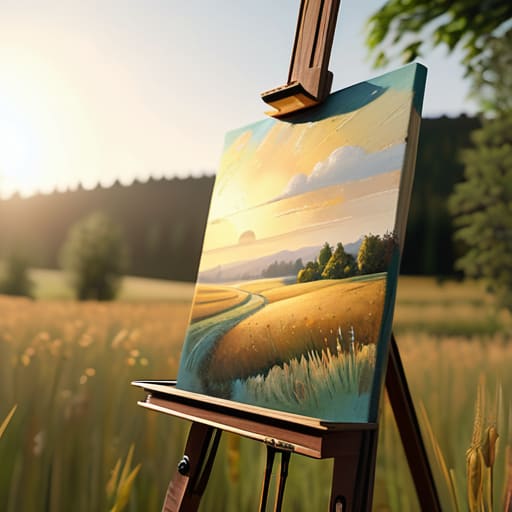

If you’ve spent any time scrolling through YouTube or browsing expensive masterclasses, you’ve likely been fed the lie that a “complete guide to landscape painting” consists entirely of learning how to blend a perfect sunset or master the translucency of a lake. It’s nonsense. I spent twenty-six years watching collectors walk past technically flawless vistas because the artist had no idea how to translate a scene into something valuable. You can spend a decade perfecting your brushwork, but if you don’t understand how light, composition, and marketability intersect, you aren’t making a career; you’re just making an expensive hobby.
I’m not here to teach you how to mix more shades of ochre. Instead, I am going to give you the unvarnished truth about what actually makes a landscape work in a commercial sense. We are going to strip away the romanticized fluff and look at the business of the brushstroke. This is a guide designed to help you bridge the gap between a pretty picture and a professional body of work that collectors actually want to own.
Mastering Color Theory in Nature Painting to Command Premium Prices
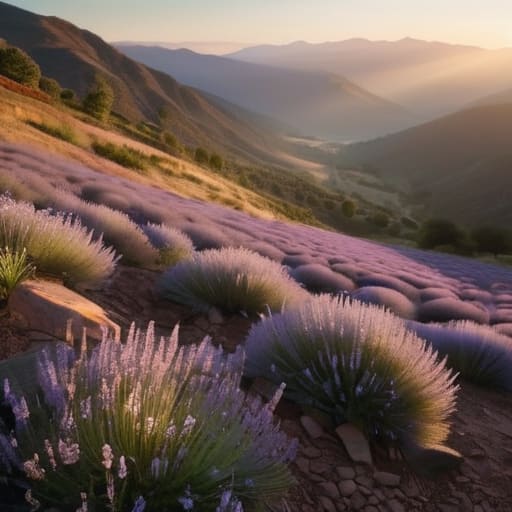
Most artists treat color theory like a high school science project, mixing muddy greens because they think “nature is messy.” It isn’t. If you want to move from selling $200 sketches at a craft fair to commanding premium prices in a serious gallery, you have to stop painting what you think a tree looks like and start painting how light actually hits it. Collectors aren’t paying for a literal representation of a field; they are paying for the emotional resonance of the light. This is where most people fail—they use local color instead of understanding how atmospheric perspective in art creates depth. If your distant hills are the same saturation as your foreground shrubs, your painting will look flat, cheap, and amateurish.
You also need to decide if you’re playing the long game with oils or the quick game with washes. There is a massive difference in market perception between oil painting vs watercolor landscapes, primarily because of how they handle light. Oils allow for a structural layering that can mimic the heavy, tactile quality of real sunlight, whereas watercolor demands a mastery of transparency. Regardless of the medium, if you aren’t intentionally managing your values to guide the viewer’s eye, you aren’t creating a piece of art—you’re just making a pretty picture. And pretty pictures rarely command a premium.
Atmospheric Perspective in Art the Difference Between Amateur and Investmen
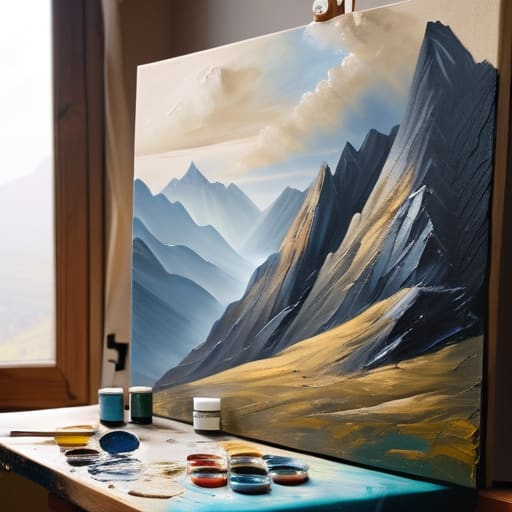
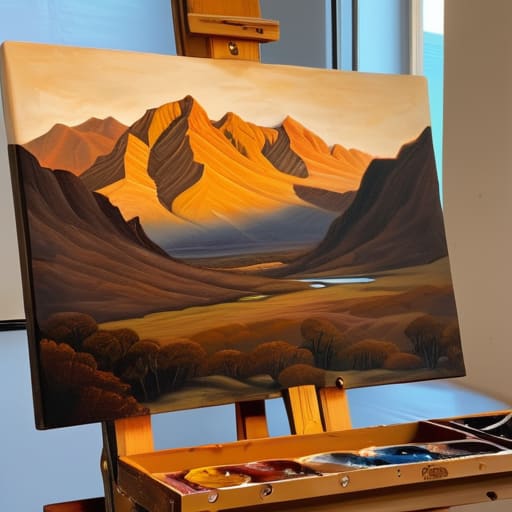
Oil on canvas, 40x50cm, 2024. I like it, because it understands that distance isn’t just about getting smaller; it’s about losing the fight against the air.
Most beginners treat a landscape like a flat map, slapping high-contrast greens and sharp edges from the foreground all the way to the horizon. That is the fastest way to make a piece look like a decorative student exercise rather than a window into a world. If you want to move into the realm of investment-grade work, you have to master atmospheric perspective in art. This means understanding that the more air sits between the viewer and the subject, the more the contrast drops, the more the saturation bleeds out, and the more the colors shift toward the blue end of the spectrum.
When I was running my gallery, I could spot an amateur work from across the room simply because the distant mountains were just as “loud” as the trees in the front. Collectors aren’t just buying a depiction of a valley; they are buying the illusion of depth. If you can’t manipulate light and haze to pull the eye through the space, you aren’t painting a landscape—you’re just decorating a surface.
The Landscape Fallacy
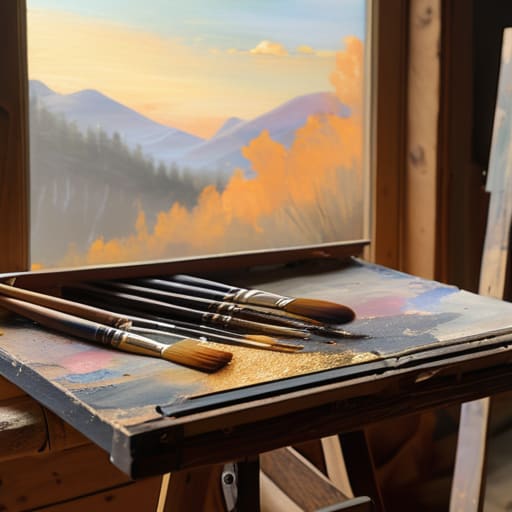
“Oil on canvas, 40×30, 2024. If you think a ‘complete guide’ to landscape painting is just about mastering the way light hits a willow tree, you’ve already lost the market. Anyone can paint a pretty view; the real work is learning how to translate that view into something a collector feels they must own before someone else does.”
Vivienne Ashworth-Pryce
Beyond the Easel and Into the Market
We have spent this time discussing the mechanics—the way color theory dictates perceived value and how atmospheric perspective separates a mere hobbyist from someone creating investment-grade assets. But let’s be clear: mastering the light hitting a valley is only half the battle. If you can paint a breathtaking vista but cannot communicate why that specific light matters, or if your technical skill is buried under a lack of structural discipline, you are simply making expensive decorations. To move from “painter” to “professional,” you must marry your technical execution with a rigorous understanding of visual hierarchy, ensuring that every brushstroke serves a purpose that a collector can actually feel in their gut.
At the end of the day, the market doesn’t care about how many hours you spent blending a sunset; it cares about the authority you command through your canvas. Don’t get lost in the romantic notion that “good art sells itself.” It doesn’t. Good art requires a disciplined hand, a sharp eye for detail, and the business sense to know that your technique is the foundation upon which your entire professional reputation is built. Now, stop reading about how to do it and go back to the studio. The world has enough pretty pictures; it is waiting for artists who actually know what they are doing.
Frequently Asked Questions
If I’ve mastered the technical side of light and color, how do I actually figure out what a fair price tag is for a landscape series?
Oil on canvas, 30×40, 2024. It’s a lovely series, but “lovely” doesn’t pay the studio rent. Stop guessing. You price based on a formula: your cost of materials, your hourly rate, and—crucially—your existing sales history. If you haven’t sold a piece in six months, your price is too high; if you’re selling out in an hour, it’s too low. Don’t let ego or desperation dictate the math. Consistency builds the market.
How much of my "signature style" should I actually reveal to collectors versus keeping a bit of mystery to maintain the work's value?
Oil on canvas, 30×40, 2024. I love the question, but you’re overthinking the mysticism. Collectors aren’t buying a riddle; they’re buying a connection to your vision. If you hide behind too much “mystery,” you just look inaccessible or, worse, inconsistent. Reveal the process—the why and the how—but keep the finished result as your proprietary territory. Show them the path you take, but don’t give them the map to replicate it.
At what point does a landscape move from being a "pretty scene" to a piece of art that a serious collector would actually consider an investment?
Oil on canvas, 36×48, 2024. I like it, but let’s be honest about why it sells. A “pretty scene” is a postcard; it’s decorative, it’s safe, and it’s frankly boring to a serious collector. A piece becomes an investment when it moves from observation to intention. It’s the difference between recording a view and communicating a perspective. Collectors aren’t buying a meadow; they are buying your specific, uncompromising way of seeing it.
