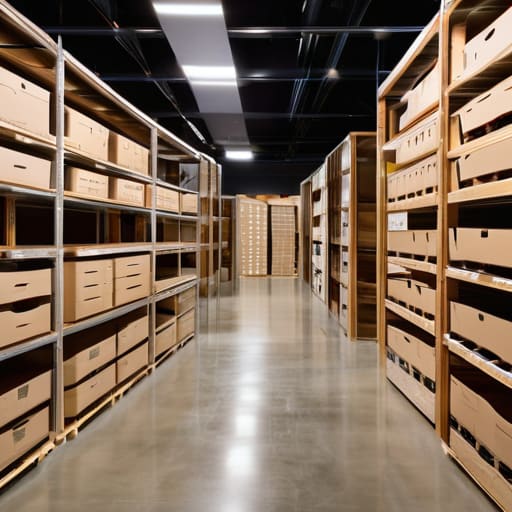

Oil on canvas, 60x80cm, 1994. I remember the exact moment I realized that a collector’s “safe” basement was actually a slow-motion death sentence for a beautiful landscape. I was unboxing a piece for a client—a lovely, textured work that should have been a legacy piece—only to find the edges curling like dried autumn leaves because the humidity had been playing havoc with the stretcher bars. Most people think a complete guide to art storage involves buying some expensive, branded gadget or renting a climate-controlled unit that costs more than your monthly mortgage. They’ve been sold a bill of goods. In reality, most of these high-end “solutions” are just expensive ways to feel secure while ignoring the fundamental physics of how paint and paper actually behave.
I’m not here to sell you a subscription to a conservation journal or a crate that costs a month’s rent. I am going to give you the unvarnished truth about what actually keeps a work from degrading. We are going to strip away the industry jargon and talk about the practical, often boring, realities of light, air, and acid. This is a no-nonsense roadmap for anyone who wants to protect their investment without being fleeced by the “experts.”
Beyond the Box Implementing Museum Quality Storage Standards
If you think shoving a canvas into a plastic bin in your basement counts as preservation, you aren’t protecting an investment; you’re just managing a slow-motion disaster. True museum quality storage standards aren’t about where you put the piece, but how you manage the invisible killers: light, temperature, and moisture. I’ve seen too many young artists—and frankly, too many collectors who thought they were being clever—watch a beautiful series succumb to foxing or warping because they ignored the basics of humidity control for artwork.
You need to stop treating your studio or spare room like a warehouse and start treating it like a controlled environment. This means moving away from whatever junk you found at a big-box hardware store and investing in actual archival storage materials. If it isn’t acid-free, it shouldn’t be touching the work. I’m talking about buffered tissue, unbuffered tissue depending on the medium, and heavy-duty, lignin-free boards. It feels like overkill until the day you realize that the “cheap” way of storing a piece has actually cost you more in lost value than the price of a proper crate ever would have.
The Invisible Enemy Mastering Humidity Control for Artwork
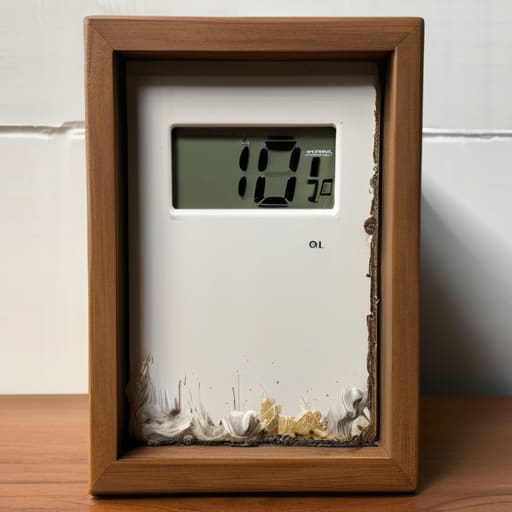
If you think a dry basement or a drafty attic is a suitable place for a canvas, you aren’t just being careless; you are actively participating in the destruction of your own inventory. Humidity is the silent killer of the art world. When the air is too damp, you invite mold to feast on organic binders and canvas fibers; when it’s too dry, those same materials become brittle and prone to cracking. Effective humidity control for artwork isn’t about luxury—it is about basic physics. You need to maintain a stable environment, ideally between 40% and 50% relative humidity, because the fluctuation is often more lethal than the level itself.
I have seen beautiful oil paintings bloom with fungal growth simply because they were tucked into a corner where the air stagnated. To combat this, you must move beyond mere hope and invest in actual fine art preservation techniques. This means using hygrometers to monitor your space religiously and ensuring your storage area isn’t sharing a wall with a radiator or a damp exterior stone. If you aren’t monitoring the moisture in the air, you aren’t protecting an asset—you’re just hosting a slow-motion decay.
The Cost of Neglect
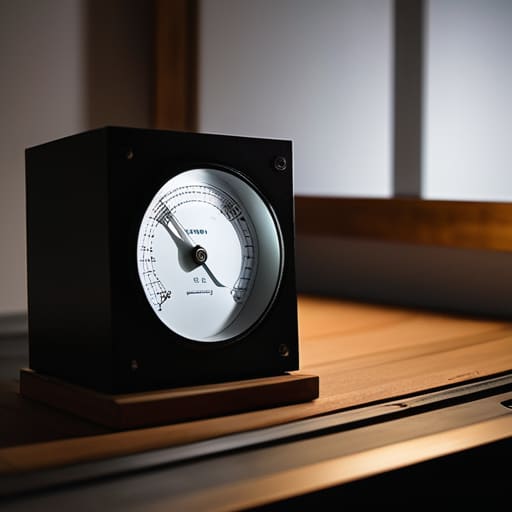
If you think you’re saving money by shoving a canvas into a damp basement or a cardboard box in the attic, you aren’t being frugal—you’re just paying for the eventual restoration specialist to fix the mess you’ve made.
Vivienne Ashworth-Pryce
The Cost of Neglect
At the end of the day, professional storage isn’t about buying the most expensive archival boxes or fancy climate-control gadgets; it is about understanding that stasis is not preservation. You can have the most expensive collection in the county, but if you are ignoring the slow creep of humidity or shoving canvases into corners where the light can reach them, you are essentially managing a slow-motion liquidation. We have covered the necessity of stable environments, the danger of light exposure, and the non-negotiable requirement for proper physical support. If you neglect these basics, you aren’t just risking a bit of foxing or a slight warp—you are eroding the very value of the work you claim to cherish.
I spent decades watching collectors treat their acquisitions like furniture, only to realize too late that they had let the soul of the piece wither away in a damp basement or a sun-drenched hallway. Art is a living thing, even when it is static on a wall. Treat your storage as an act of stewardship rather than a chore, and you will find that the work rewards that discipline with longevity. Don’t just own art; protect its future. After all, a masterpiece is only as permanent as the room it inhabits.
Frequently Asked Questions
If I can't afford a climate-controlled professional facility, what are the absolute bare minimums I need to do at home to stop my collection from degrading?
Look, I’m not going to tell you to install a commercial-grade HVAC system if you’re living in a terrace house. You can’t. But stop treating your art like spare luggage. First, get them off the floor and away from exterior walls—heat and damp migrate there. Second, find a dark corner; light is a slow arsonist. Third, buy a decent hygrometer. If you don’t know the humidity, you’re just guessing while your canvases warp.
At what point does the cost of professional storage actually become more sensible than trying to manage it myself?
It’s a math problem, but not the kind they teach in school. You stop DIY-ing the moment the cost of a single climate-controlled mishap—a bloom of mold or a warped canvas—exceeds the annual fee of a professional facility. If you’re spending more on specialized dehumidifiers, acid-free materials, and your own anxiety than you would on a monthly locker, you’ve already lost. Don’t mistake being “frugal” for being a martyr to your collection.
How do I know if the "archival" materials I'm buying online are actually protecting my work or just providing a false sense of security?
Oil on canvas, 24×30, 2024. I don’t trust the word “archival” as far as I can throw a marble plinth. In this industry, it’s often used as a marketing rug to sweep away a lack of substance. If a supplier can’t tell you the specific pH level of their paper or the chemical composition of their mounting board, they aren’t selling you protection—they’re selling you a label. If it isn’t acid-free and lignin-free, it’s just expensive trash.
