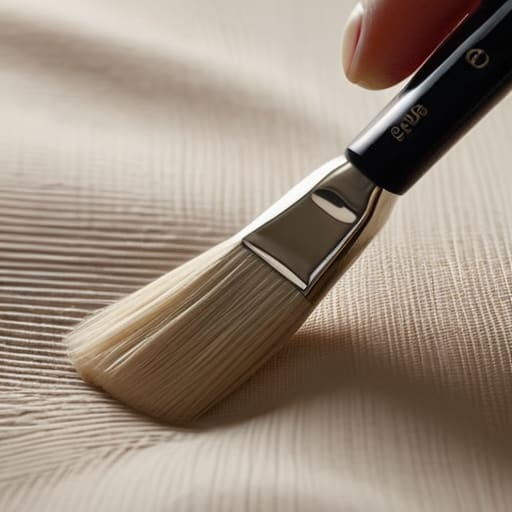

I remember sitting in my back office in 2004, staring at a beautiful, large-scale oil landscape that a regular collector had just returned. The artist was devastated, but the truth was much uglier: the paint was literally flaking off the surface because the foundation was rubbish. Everyone tells you that the magic happens in the brushwork, but they lie; the real battle is won or lost before you even touch a pigment to the cloth. If you don’t understand how to prepare a canvas with professional rigor, you aren’t making fine art—you’re making expensive, temporary decorations that will eventually fail the moment they hit a climate-controlled living room.
I am not here to give you a lecture on the “soul” of linen; I am here to talk about structural integrity and your bottom line. In this guide, I’m going to strip away the academic fluff and show you the practical, unromantic steps to ensuring your surface is actually fit for sale. We will cover everything from selecting the right weight of fabric to the precise application of ground, so you can stop worrying about technical disasters and start focusing on protecting your investment and your reputation.
Guide Overview
Tools & Supplies
- Large flat brush for even application
- Sandpaper for smoothing layers
- Raw canvas fabric or pre-stretched canvas (1 unit)
- Gesso primer (1 bottle/tub)
- Water (small amount for thinning)
Step-by-Step Instructions
- 1. First, you need to inspect your stretcher bars like you’re checking a contract for a loophole. If the wood is warped or the corners aren’t tight, your canvas will eventually sag, and no collector wants to hang a piece that looks like it’s melting off the wall. Ensure the joints are square and the tension is even before you even think about touching a drop of primer.
- 2. Once you have a solid frame, stretch your raw canvas over it. I cannot stress this enough: do not be stingy with the staples. You want the tension to be consistent across the entire surface, working from the center out to the edges. If you leave it loose or lumpy, you are essentially building a house on sand, and it will show the moment you apply your first layer of paint.
- 3. Now, we deal with the sizing. If you are using linen or a particularly thirsty cotton, you need to seal those fibers so the paint doesn’t sink in and become part of the fabric. Apply a layer of rabbit-skin glue or a modern synthetic size to create a barrier. This isn’t just about technique; it’s about longevity, and I’ve seen far too many “emerging artists” lose a sale because their colors looked muddy and dead due to poor sizing.
- 4. Next comes the gesso. Don’t just slap a single, thick coat on and call it a day. You need to apply several thin, even layers, sanding lightly between each one. If you want a surface that feels professional—the kind of surface that makes a buyer want to reach out and touch it—you have to invest the time in making it smooth. A gritty, uneven ground is a hallmark of an amateur, and the market is rarely kind to amateurs.
- 5. Check your work under a raking light. Turn off the overheads and shine a light across the surface at an angle. This will reveal every bump, every stray hair, and every uneven patch of gesso that your eyes missed in the bright light. It is much easier to fix a mistake now, while you are still in the preparation phase, than it is when you are halfway through a finished oil study.
- 6. Finally, do a final sand with a very fine grit once your last layer of gesso is bone dry. You want a surface that is toothy enough to hold the paint but smooth enough to allow for controlled movement. Remember, the preparation is the silent partner in your pricing; you are setting the stage for the work to actually perform the way it’s supposed to.
Stretching Canvas on Wooden Frame Avoid the Sagging Liability
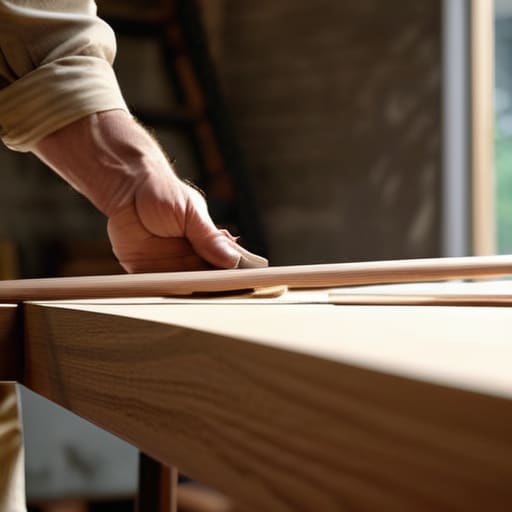
Listen, I’ve seen far too many talented artists lose a sale not because their vision was flawed, but because the physical object looked cheap. When you are stretching canvas on wooden frame structures, you aren’t just making a surface; you are building the foundation of a financial asset. If that fabric begins to ripple or dip the moment a collector leans in to inspect a detail, the perceived value of the work plummets. You cannot command a premium price for a painting that looks like it might slide off its bones.
Mastering canvas tension techniques is where the amateur separates from the professional. It isn’t enough to just pull the fabric tight; you need to ensure that tension is uniform across the entire perimeter. If you’re uneven, the wood will eventually warp or the fabric will develop a permanent “belly.” I always tell my clients: if you wouldn’t hang it in a high-end gallery, don’t expect a collector to hang it in their dining room. Treat your stretchers with the same respect you treat your subject matter, because the structural integrity of the piece is the silent negotiator in every sale.
Priming Fabric for Fine Art Why Cheap Prep Ruins Value
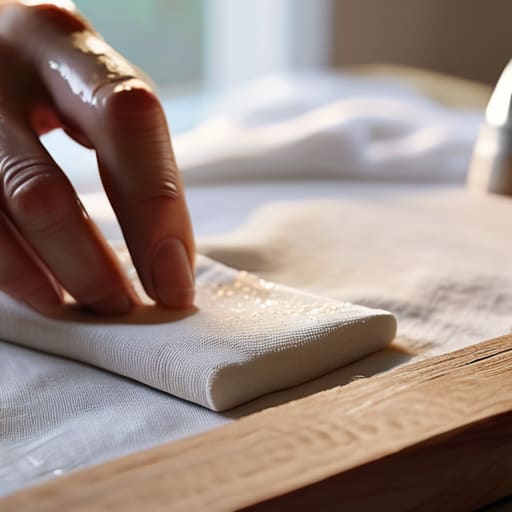
Listen, I’ve seen far too many talented painters walk into a gallery with work that looks spectacular under studio lights, only to have the paint crack or the fabric buckle six months after the sale. It is heartbreaking. When you are priming fabric for fine art, you aren’t just prepping a surface; you are building the structural integrity of your investment. If you use a pre-primed, store-bought canvas that feels like cardboard, you are essentially building a house on sand. A collector isn’t just buying your vision; they are buying the promise that your work will exist in fifty years.
If you are working with oils, don’t skimp on the process of applying gesso layers for oil painting. You need a surface that is properly sized and sealed to prevent the oil from rotting the fibers. A single, rushed coat is a recipe for disaster. I’d much rather see an artist take an extra three days to build up a smooth, professional ground than see them sell a piece for five thousand pounds only to have the client call me in a year because the paint is flaking off. Quality prep is the difference between a career and a hobby.
The Hidden Cost of a Bad Surface
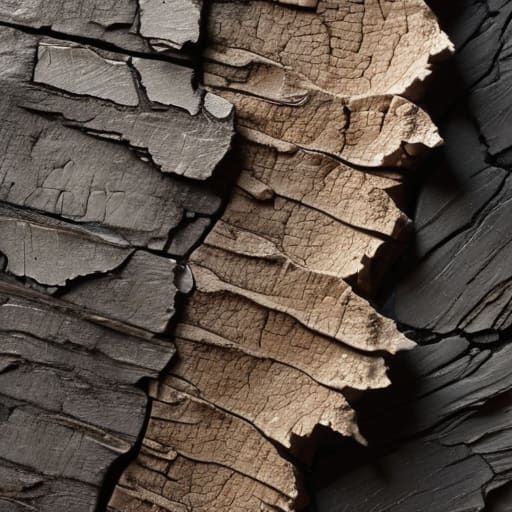
Oil on linen, 40 x 50cm, 2024. I don’t care how brilliant your brushwork is; if you’re painting on a surface that’s going to buckle or crack in five years, you aren’t making an investment, you’re making a liability. A collector isn’t just buying your vision; they are buying the promise that the work will still exist in a decade. Don’t let a cheap, poorly primed canvas be the reason a serious buyer walks away—if the foundation is garbage, the price tag is too.
Vivienne Ashworth-Pryce
The Bottom Line on Your Foundation
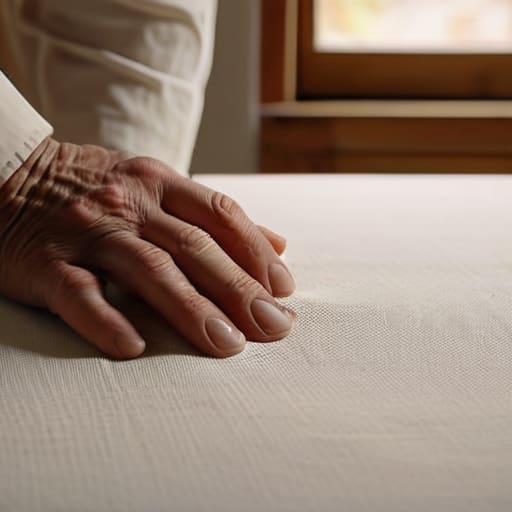
At the end of the day, preparing a canvas isn’t just a chore to get through before the “real” art begins; it is a fundamental business decision. If you skimp on the tension of your stretchers or use a primer that cracks under the weight of your oils, you aren’t just risking a bad painting—you are risking your reputation. I have seen collectors walk away from incredible talent simply because they noticed a canvas sagging or a surface that looked unstable. You can spend months perfecting your technique, but if the foundation is garbage, the price tag is too. Do not let a few pounds saved on cheap materials become the reason a long-term collector refuses to buy from you.
I know it feels tedious. I know there is a frantic urge to get the brush to the surface while the inspiration is still hot. But treat your preparation with the same respect you treat your subject matter. When you invest the time to stretch, prime, and sand properly, you are telling the world—and your future buyers—that your work is built to last. You are moving from being someone who merely makes things to being an artist with a professional practice. Build it right the first time, and you won’t have to apologize for your work ten years down the line.
Frequently Asked Questions
If I'm working on a larger scale, is it worth the extra expense to use heavy-duty linen instead of cotton duck, or am I just paying for a brand name?
Oil on linen, 48 x 60 inches, 2024. It’s a significant investment, but here is the truth: if you are scaling up, linen isn’t a luxury; it’s an insurance policy. Cotton duck has a tendency to expand and contract with humidity, which leads to the dreaded “drum skin” effect or, worse, cracking your paint layer over time. For large-scale works, collectors expect longevity. If you’re asking for five figures, don’t give them cotton.
How many layers of gesso are actually necessary before the surface is professional enough to justify a premium price tag?
Oil on linen, 30 x 40, 2024. It’s a practical question, and a vital one. If you want to justify a premium price, two layers of high-quality gesso are your absolute minimum; three is where you find that professional, toothy stability that collectors expect. Anything less feels “thirsty” and unpredictable under the brush. Don’t skimp here. A collector isn’t just buying your vision; they are buying the assurance that the surface won’t degrade in ten years.
Can I use pre-primed canvases from a big-box store and still expect a serious collector to take the work seriously?
Oil on canvas, 24×36, 2024. Look, if you’re painting a study for your own studio, use the big-box stuff. But if you’re asking if a serious collector will notice? Yes, they will. A collector isn’t just buying your vision; they are buying an asset. When they see a surface that’s unevenly primed or a tension that’s already failing, they don’t see “art”—they see a liability. Don’t let a twenty-dollar shortcut devalue a thousand-dollar painting.
