

I remember standing in the back of a cavernous exhibition hall in Basel, nursing a lukewarm espresso and watching a young painter stare blankly at a crowd of collectors who were looking everywhere but at her canvas. Everyone tells you that art fairs are the ultimate shortcut to a career, but most of that advice is a polished lie designed to sell booth space. The truth is, if you go in thinking it’s just about hanging work and waiting for a check, you aren’t just wasting money—you’re cannibalizing your own momentum. Understanding how artists benefit from fairs isn’t about the sudden influx of sales; it’s about the strategic, often invisible, groundwork that happens when you stop treating a booth like a shop and start treating it like a high-stakes networking event.
I am not here to sell you on the glamour of the champagne receptions or the prestige of the big names. Instead, I’m going to pull back the curtain on the actual mechanics of the fair circuit. I’ll show you how to use these expensive weeks to build a collector database that lasts longer than the exhibition, how to vet the people walking past your booth, and how to ensure you walk away with more than just a lighter bank account and sore feet.
The Real Value of Networking Opportunities for Fine Artists

Let’s be clear: if you go to a fair expecting to stand behind a table and wait for a stranger to hand you a check, you’ve already lost. The real magic isn’t in the immediate transaction—it’s in the long game. I’ve seen artists walk away with empty hands but a contact list that changed their entire career trajectory. The true networking opportunities for fine artists aren’t found in the polite nods from passersby, but in the quiet conversations with fellow gallerists, curators, and seasoned consultants who are scouting for fresh perspectives.
You aren’t just there to sell a canvas; you are there to begin building an art collector base that will sustain you long after the booth is packed away. I always told my artists that a fair is essentially a high-intensity workshop for your professional persona. It forces you to articulate your practice under pressure and test how your work holds up in a crowded room. If you treat the event as a chance for professional development rather than just a retail pop-up, you stop being a vendor and start becoming a name that people actually remember.
Building an Art Collector Base Beyond the Booth

The mistake most artists make is treating the fair as a destination rather than a waypoint. They pack their van, sweat through a three-day marathon, and then go home to sleep for a week, wondering why their bank account hasn’t changed. If you view the booth as your only point of contact, you are essentially leaving your livelihood to chance. True success in building an art collector base doesn’t happen while you’re standing there smiling at passersby; it happens in the months of preparation and the months of follow-up that sandwich the event itself.
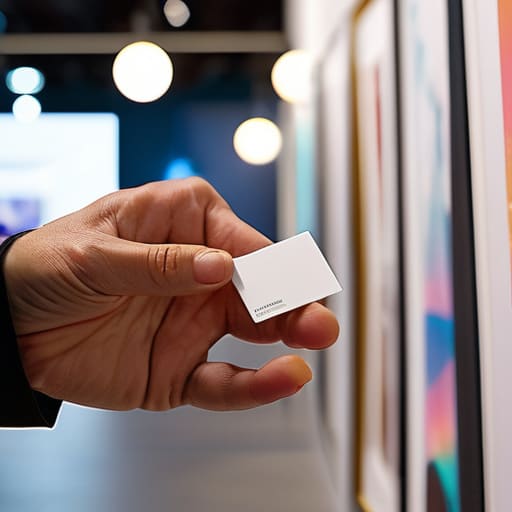
You have to treat the fair as a massive, high-octane data collection exercise. Every person who lingers at your display is a potential long-term relationship, not just a one-time transaction. I always told my artists that a business card exchanged during a quiet moment is worth more than a dozen impulse buys from people who won’t remember your name by Tuesday. Effective art fair marketing strategies require you to move beyond the physical space of your booth and into the digital and personal follow-up. If you aren’t capturing emails and sending thoughtful, non-desperate notes the week after the doors close, you haven’t actually attended a fair—you’ve just gone on an expensive field trip.
The Visibility Illusion
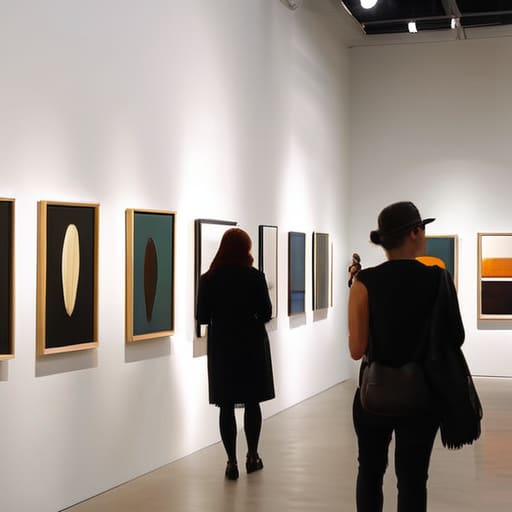
Don’t mistake a busy booth for a successful fair; a hundred people glancing at your canvas is a vanity metric, but one collector who understands your price point and remembers your name is a career milestone.
Vivienne Ashworth-Pryce
The Long Game Beyond the Booth
At the end of the day, an art fair is not a magic wand that will suddenly fix your career or empty your studio of inventory overnight. If you go in expecting a windfall without a strategy, you’ll likely leave with nothing but sore feet and a lighter bank account. The real benefit lies in the groundwork: the contacts you make, the way you present your practice to a professional eye, and the strategic visibility you gain in a crowded room. It is about leveraging that expensive floor space to build a foundation that lasts long after the booths are dismantled and the crates are packed away. Don’t mistake a busy weekend for a sustainable business model; instead, treat every interaction as a seed planted for next year.
I’ve seen countless artists walk away from fairs feeling defeated because they didn’t sell a single canvas, but I’ve also seen those same artists become household names in their niche because they treated the fair as a classroom. Use these events to test your pricing, refine your pitch, and see how your work sits in a room full of peers. The market is a fickle, often irrational beast, but it rewards those who show up with both a professional head on their shoulders and a deeply personal connection to their craft. Stop looking for the quick sale and start building the reputation that makes the sale inevitable.
Frequently Asked Questions
If the booth costs and travel expenses are eating up my entire profit margin, is the visibility actually worth the financial hit?
Oil on canvas, 24×30, 2024. If you’re breaking even, you aren’t “investing”—you’re subsidizing the fair organizers. Visibility is a vanity metric unless it converts. If that booth isn’t feeding your mailing list or landing you a gallery conversation, it’s a sinkhole. Don’t mistake being seen for being sold. Unless the fair is a strategic bridge to a specific, high-value demographic you can’t reach otherwise, keep your money in your studio.
How do I distinguish between a "collector" who is just browsing for free inspiration and someone who is actually prepared to write a check?
Oil on canvas, 40×40, 2023. I love the texture, but let’s talk about the person standing in front of it. The browser looks at the art; the collector looks at the label. A browser asks, “What inspired this?” because they want a story to tell themselves. A collector asks, “Is this part of a series?” or “Do you have anything in a larger scale?” They aren’t looking for inspiration; they’re looking for inventory.
Is it better to spend my energy trying to sell pieces on the floor or focusing entirely on gathering contact details for future follow-ups?
Oil on canvas, 60x80cm, 2024. I love the energy of it, but let’s be practical. If you spend the whole weekend chasing a single sale on the floor, you’ve traded a long-term career for a quick hit of dopamine and a bit of rent money. Sell the piece if it happens—it’s lovely—but your real job is the contact list. A sale is a transaction; a mailing list is an asset. Focus on the latter.
