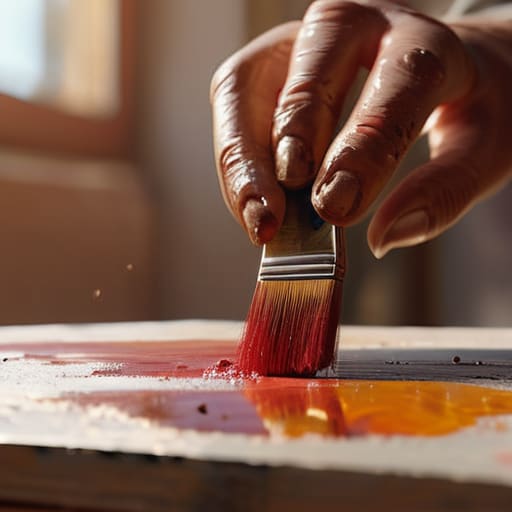

I remember standing in the back of a studio in 1998, watching a young painter spend three weeks meticulously applying translucent layers to a portrait, only for the finished piece to look muddy, flat, and frankly, cheap under the gallery lights. Everyone in the academy had taught him that glazing was this mystical, ethereal way to capture soul, but he hadn’t realized that if you don’t understand the physics of light, you’re just making a mess of expensive pigments. Most people treat the concept like a magic trick, but if you want to understand how glazing works in a way that actually holds its value, you have to stop thinking about it as “adding color” and start thinking about it as engineering light.
I’m not here to give you a romanticized lecture on the “spirit of the brushstroke.” Instead, I’m going to pull back the curtain on the actual mechanics of transparency and refractive indices without the academic fluff. We are going to discuss how to build depth that survives a collector’s living room and, more importantly, how to avoid the technical errors that make a painting look amateurish. This is the unvarnished truth about layering, from the chemistry of the medium to the way a buyer’s eye actually perceives that glow.
The Optical Properties of Glazing and the Illusion of Depth

To understand why a masterwork looks like it has a soul breathing underneath the surface, you have to stop thinking about pigment as a solid wall and start thinking about it as a filter. When we talk about the optical properties of glazing, we aren’t just discussing a way to change a color; we are discussing how light behaves when it hits a canvas. Unlike a standard opaque stroke, where light hits the surface and bounces immediately back to your eye, a glaze allows light to travel through the medium.
This is where the magic—and the technical difficulty—lies. As you engage in layering pigment for depth, the light passes through these translucent veils, hits the underpainting, and then reflects back through the layers on its way out. This creates a physical sense of luminosity that no amount of mixing on a palette can replicate. You aren’t just applying color; you are managing light refraction and transparency to trick the human eye into seeing a three-dimensional space that doesn’t actually exist on a flat plane. It is a calculated deception, and when done correctly, it is what separates a decorative surface from a painting that feels alive.
Light Refraction and Transparency Selling the Glow

When a collector stands in front of a painting and says, “There’s a glow to this that I can’t quite put my finger on,” they aren’t just being polite. They are reacting to the physics of light refraction and transparency. In a standard opaque application, light hits the surface of the paint and bounces right back at the viewer. It’s immediate, but it’s shallow. With glazing, the light travels through those translucent layers, hits the underpainting, and bounces back from within the work itself. That is the “glow” that separates a decorative piece from a masterpiece.
If you want to command higher prices, you have to understand that you aren’t just selling a color; you are selling the way that color interacts with the room’s light. Mastering glazing in oil painting techniques allows you to manipulate these visual effects of translucent layers so that the painting feels alive, shifting slightly as the viewer moves. It is a slow, disciplined process of layering pigment for depth, but it is exactly what creates that sense of luminosity that makes a collector feel they are looking into a window rather than at a wall.
The Value of the Glow
Glazing isn’t just a technical flourish to show off your mastery of light; it is a way of building a physical depth that a single, thick layer of pigment simply cannot replicate. When a collector stands in front of a glazed work, they aren’t just looking at color—they are looking into the painting, and that sense of luminosity is exactly what justifies the premium price tag.
Vivienne Ashworth-Pryce
Beyond the Surface
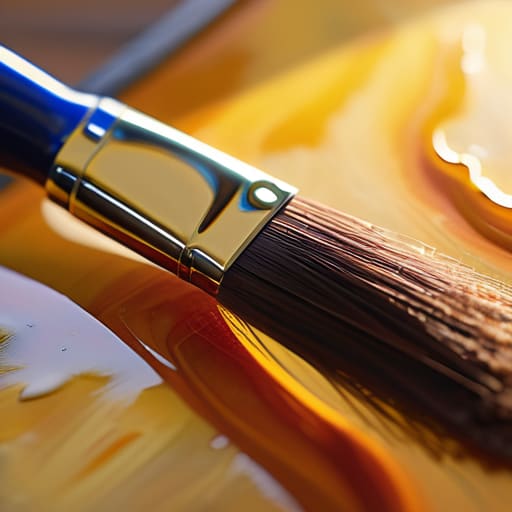
At the end of the day, glazing is a game of physics as much as it is one of aesthetics. We’ve discussed how light doesn’t just bounce off the surface of a glazed painting; it travels through those transparent veils, hits the underlayer, and returns to the eye with a complexity that a single, opaque stroke simply cannot replicate. It is the difference between a flat color and a living luminosity. If you understand that you are essentially building a light trap—layering pigment to control refraction and depth—you stop treating your medium like a coloring book and start treating it like an optical instrument. Mastering this isn’t just about technical proficiency; it is about controlling how a viewer experiences light within the confines of your frame.
Don’t let the technicality of it intimidate you into playing it safe with flat, predictable applications. The market is saturated with work that looks fine from ten feet away but dies the moment someone leans in to actually see it. I want you to lean into the patience that glazing demands. It is slow, it is temperamental, and it is occasionally infuriating, but that is exactly why it holds its value. When a collector stands in front of a piece and feels that inexplicable “glow” pulling them in, they aren’t just buying a subject; they are buying the unseen labor of those microscopic layers. Use it to make your work impossible to ignore.
Frequently Asked Questions
Is the extra time it takes to build these layers actually worth the price increase, or am I just making my life harder for no reason?
Oil on canvas, 24×30, 2024. It is absolutely worth it, but not for the reason you think. You aren’t being paid for the hours spent waiting for a layer to dry; you’re being paid for the luminosity that a single flat application simply cannot replicate. A collector can sense that “glow” instinctively. If you want to move from “local craft” pricing to “investment grade” territory, that optical depth is your most non-negotiable asset.
How do I stop my glazes from turning muddy when I start layering more colors on top of a dried base?
Oil on linen, 12×12, 2024. It’s the most common way artists sabotage their own luminosity. You aren’t just “layering”; you’re creating a physical sludge. If your base isn’t bone-dry, or if you’re mixing too much pigment into your medium, you’re essentially stirring mud into your light. Stick to the rule: fat over lean, and keep your glazes thin. If the layer underneath isn’t stable, the top layer will never breathe.
Can I use glazing techniques to fix a piece that’s already gone wrong, or is it strictly for building work from the ground up?
Oil on canvas, 12×12, 2024. You’re asking if glazing is a rescue mission or a foundation. It’s both, but don’t mistake a bandage for a cure. If your colors are muddy because you lacked patience, a glaze can lift the light back into the piece. But if the underlying structure is structurally unsound or the values are flat, no amount of transparent pigment will save you. You can’t glaze your way out of bad drawing.
