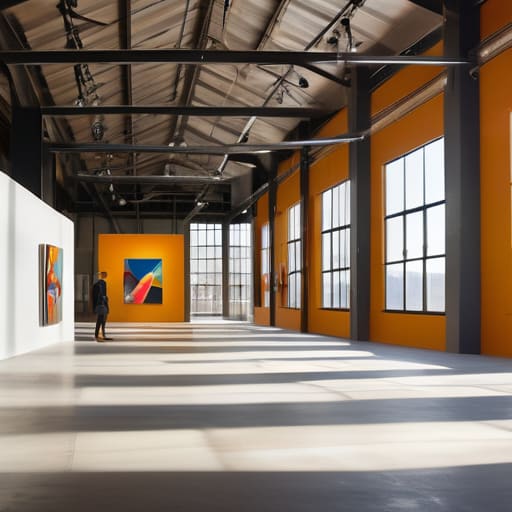

I remember standing in the back of a cavernous, drafty exhibition hall in Basel, nursing a lukewarm espresso and watching a young painter stare in sheer terror at a spreadsheet of booth fees and shipping logistics. Everyone tells you that an art fair is your “big break,” a magical portal where collectors descend to shower you with checks, but that is a delusion designed to keep you spending money you don’t have. Most people will sell you a “complete guide to art fairs” that reads like a glossy brochure, promising prestige while conveniently ignoring the blood, sweat, and terrifyingly high overhead that actually goes into making a single weekend profitable.
I am not here to sell you on the glamour; I am here to talk about the math and the mechanics. In this guide, I’m going to strip away the pretension and show you exactly how to navigate the logistics, the predatory contracts, and the booth-mate politics without losing your shirt. We are going to look at what a fair actually costs, how to decide if a specific show is worth your limited energy, and how to actually close a sale when the lights are bright and the collectors are walking past.
Surviving the Brutal Artist Application Process

Let’s be clear: the artist application process is less about the soul of your work and more about how well you can curate a cohesive “brand” on a single sheet of paper. Most artists approach this like a confession, pouring their hearts into a bio that reads like a diary entry. Stop that. Organizers aren’t looking for your childhood trauma; they are looking for a professional who won’t flake and whose work won’t look like a cluttered garage sale. They want to see that you understand how your pieces function as a collective body of work.
When you are applying, your portfolio needs to do the heavy lifting. If your images are grainy or your lighting is amateurish, you’ve lost before they’ve even read your name. You are essentially auditioning for the right to pay them. This is why many struggle with exhibiting artwork at fairs; they treat the application as a formality rather than a high-stakes sales pitch. You need to present a vision that suggests you already know how to handle the logistics of selling art at events, because if you look like a hobbyist, they will treat you like one.
The High Price of Exhibiting Artwork at Fairs
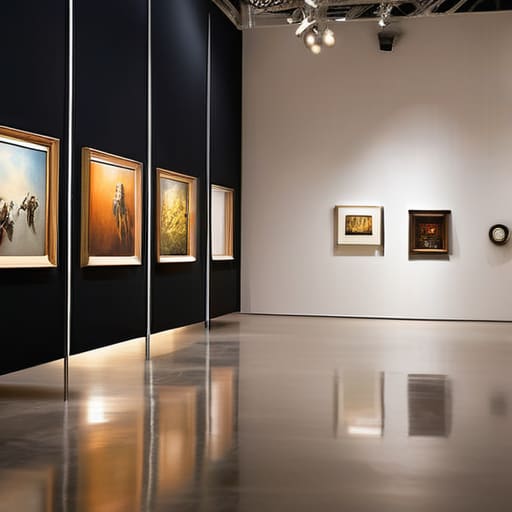
Let’s talk about the math, because this is where the dream usually hits the floor. When you start looking into exhibiting artwork at fairs, the first number that will make your eyes water is the booth rental fees. These aren’t just “participation costs”; they are often massive, upfront gambles that don’t guarantee a single sale. You aren’t just paying for floor space; you’re paying for the organizer’s prestige, the lighting, and the hope that the right collectors will wander past your corner.
Then there is the hidden tax of logistics. You have to factor in the cost of shipping, insurance, and the inevitable exhaustion of being “on” for ten hours a day. I’ve seen artists spend their entire yearly profit on a single weekend because they neglected their art fair marketing strategies or failed to budget for the travel and crating. If you aren’t calculating your “break-even” point—the exact amount of work you need to sell just to reach zero—you aren’t running a business, you’re just funding a very expensive field trip.
The Illusion of the Booth
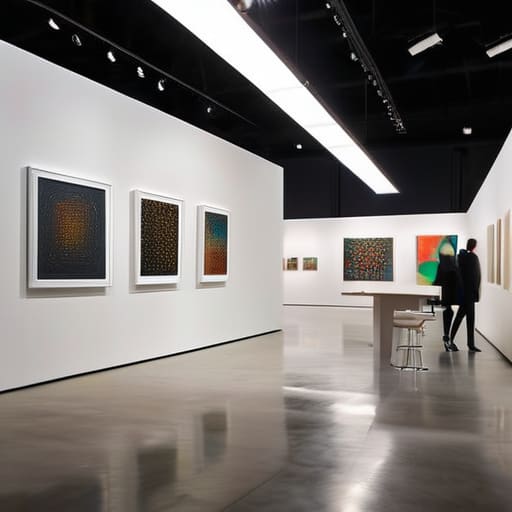
An art fair is not a victory lap; it is an expensive, high-stakes gamble where you are paying for the privilege of standing in a room full of people who are often more interested in the free champagne than your brushwork. If you aren’t walking in with a spreadsheet that accounts for every cent of that booth fee, you aren’t an artist exhibiting—you’re a donor.
Vivienne Ashworth-Pryce
The Bottom Line on the Big Stage

At the end of the day, an art fair is not a magic wand that will suddenly turn your studio practice into a career; it is a high-stakes, high-cost logistics exercise. We have looked at the grueling application hurdles, the predatory nature of some booth fees, and the reality of why that commission split feels so heavy when you’re staring at a dwindling bank balance. If you go into a fair expecting the organizers to do the heavy lifting for you, you are going to leave broke and exhausted. You must treat these events as calculated business moves—vetting the fair’s audience as rigorously as they vet your portfolio—to ensure that the return on investment actually justifies the sleepless nights and the shipping crates.
But please, don’t let my cynicism dampen the actual spark of it. There is nothing quite like the electricity of standing in a crowded hall, watching a stranger’s eyes light up when they truly see your work for the first time. If you do the math, protect your margins, and choose your stages with intention, an art fair can be the most transformative engine for your practice. Don’t just aim to be seen; aim to be understood and compensated. Go into the fray with your eyes open, your contracts signed, and your chin up.
Frequently Asked Questions
If the gallery is already taking a cut of my sales, why am I being asked to foot the bill for shipping and booth insurance?
It’s a bitter pill, I know. You see that fifty percent commission and think, Surely that covers the logistics? Usually, it doesn’t. That cut is for the gallery’s expertise, their client list, and the physical space they provide. Shipping and insurance are “pass-through” costs—variable expenses that change depending on where the fair is held and how much you’re sending. If a gallery starts absorbing those without a very good reason, they’re likely losing money on you.
How can I tell if a fair is actually a legitimate opportunity for my career or just a glorified, expensive flea market for collectors?
Look at the exhibitor list first. If you see names that command respect or belong to galleries with actual pedigrees, you’re in a professional arena. If the roster looks like a chaotic mix of fine art and handmade jewelry stalls, run. Check the collector demographics in the fair’s previous reports—are they serious acquisitions-driven buyers, or just tourists looking for a cheap souvenir? A legitimate fair builds your CV; a flea market just drains your bank account.
When a fair director says they are 'curating' the show, what are they actually looking for, and how much does my reputation matter compared to my price point?
When a director says they’re “curating,” they aren’t just looking for beauty; they’re looking for a cohesive visual narrative that justifies the fair’s brand. They want work that speaks to a specific collector demographic. As for your reputation versus price? Reputation gets you through the door, but your price point determines if you stay in the room. They need to know your work won’t just look good on a booth wall, but will actually move.
