

Stop listening to the glossy, white-walled whispers that suggest you need a six-figure windfall and a membership to a private club just to own something meaningful. There is a pervasive, exhausting myth that art collecting is a game played exclusively by people with more money than sense, and frankly, it’s a lie designed to keep the doors shut. If you are trying to figure out how to collect on a small budget, you don’t need a pedigree or a personal shopper; you need to stop looking at the prestige and start looking at the practice. Most people spend their limited funds chasing names that have already peaked, rather than finding the talent that is currently hungry.
I spent twenty-six years behind a gallery desk, and I can tell you that the most rewarding collections I ever saw weren’t built on luck, but on ruthless discernment. I’m not here to sell you a lifestyle or a dream of social climbing. Instead, I am going to pull back the curtain on the actual mechanics of the trade—from navigating studio visits to understanding why a certain price point is a steal and why another is a scam. This is about building a collection that actually matters to you, without getting fleeced by the hype.
Low Cost Art Print Sourcing Beyond the Cheap Reproductions
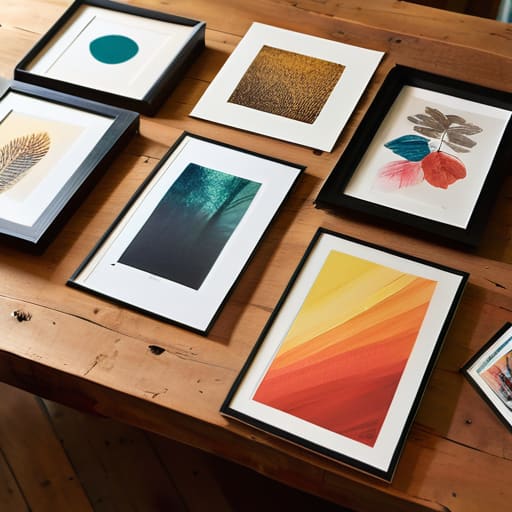
Let’s get one thing straight: there is a massive difference between a mass-produced poster from a gift shop and a limited edition print. If you want to build a collection that actually holds some semblance of dignity, you have to stop looking at the supermarket aisles and start looking for the artist’s signature. I’m talking about low cost art print sourcing that focuses on lithographs, screenprints, or even high-quality giclées from emerging names. These aren’t just “pictures of art”; they are intentional multiples that allow you to own a piece of an artist’s vision without the five-figure price tag of an original oil painting.
The trick to maximizing value at craft fairs and boutique print studios is timing and relationship. Don’t just grab the first thing that catches your eye; ask the artist about the edition number and the paper stock. A print numbered 5/50 is a much more serious acquisition than an open edition that will be printed until the ink runs dry. If you approach it with this mindset, you aren’t just decorating a wall—you are practicing budget friendly collection strategies that actually build equity in names you might one day want to see in a real gallery.
Budget Friendly Collection Strategies for the Aspiring Patron

If you want to build a serious collection without a trust fund, you have to stop thinking like a consumer and start thinking like a scout. This isn’t about buying whatever looks pretty in a gift shop; it’s about identifying potential before the rest of the market catches the scent. One of my favorite budget friendly collection strategies is to hunt at the fringes—think regional art fairs or even local makers’ markets. While everyone else is queuing up for the established names at the big summer shows, you should be looking for the person whose work feels slightly too ambitious for their current price point.
Maximizing value at craft fairs requires a certain level of social courage. You aren’t there to haggle like you’re at a flea market—that’s tacky and insults the maker—but you can build relationships. Buy a small piece, stay in touch, and follow their trajectory. If you approach it with a sense of curiosity rather than just looking for a bargain, you’ll find that investing in emerging talent is far more rewarding than chasing a name that’s already peaked. It’s about buying the person, not just the object.
The Myth of the Entry-Level Price Tag

Stop waiting for a windfall to start your collection; a real collection isn’t built on a single high-priced trophy, but on the discipline of buying small, intentional works from artists who are actually doing the work, rather than just chasing the names that have already been inflated by the market.
Vivienne Ashworth-Pryce
The Long Game
Ultimately, building a collection isn’t about the sudden windfall or the luck of stumbling into a blue-chip masterpiece at a garage sale. It’s about the discipline of looking closer than everyone else. We’ve talked about moving past the mass-produced prints and finding value in the edges of the market—those emerging artists who have the talent but haven’t yet figured out their price point. Whether you are hunting for limited editions or learning to navigate the secondary market with patience, the goal is to avoid the trap of buying for status and instead focus on buying for substance. If you follow these strategies, you won’t just be decorating your walls; you’ll be building a foundation of work that actually means something.
Please, don’t let the intimidating gloss of the high-end auction houses convince you that you aren’t “real” enough to be a collector. A collection is simply a visual record of what moves you, and that record doesn’t require a six-figure bank balance to be valid. I spent twenty-six years watching people spend fortunes on work they didn’t even like, simply because a dealer told them it was an “investment.” I’d much rather see you spend a few hundred pounds on a small, soulful piece that makes you stop breathing for a second when you walk past it. Buy what you love, buy it slowly, and remember that the most important part of art isn’t the receipt—it’s the connection.
Frequently Asked Questions
If I'm buying smaller works or prints to save money, how do I ensure I'm actually building value rather than just decorating my walls?
Oil on canvas, 12×12, 2023. I like it, because it’s smart.
At what point does a "budget" piece become a liability when it comes to future resale or authentication?
Oil on canvas, 12×12, 2024. I like it, but let’s be pragmatic. A piece becomes a liability the moment you lose the paper trail. If you’re buying “budget” works from unvetted street fairs or anonymous Instagram accounts without a signed certificate of authenticity or a clear provenance, you aren’t collecting; you’re gambling. You can’t resell what you can’t prove exists, and you certainly can’t authenticate a ghost. Buy the artist’s name, even if the scale is small.
How do I distinguish between an artist who is genuinely affordable because they are emerging and one who is cheap because their market has no momentum?
Oil on canvas, 40x40cm, 2023. I like it, but let’s talk about the math. You’re looking for trajectory, not just a low number. An emerging artist has a “paper trail”—exhibition history, a consistent studio practice, and a sense of direction. They are affordable because they haven’t hit their ceiling yet. A stagnant artist is cheap because they’ve hit their floor. If there’s no momentum in their CV, you aren’t investing; you’re just buying a decorative object.
