

I remember a collector—lovely man, smelled faintly of expensive gin and old paper—who sat in my gallery ten years ago, convinced he could “optimize” his estate by handing a stack of mediocre landscapes to a local museum. He thought he was being a saint, but he was actually just trying to turn a tax liability into a vanity project. Most people approach the topic of how donating art works with this misplaced sense of romanticism, believing that a simple hand-off to a non-profit is a magic wand for their bottom line. In reality, if you don’t understand the mechanics of appraisal and the brutal scrutiny of the tax man, you aren’t being philanthropic; you’re just being reckless with your legacy.
I’m not here to give you the glossy, brochure-version of charity. I’ve spent twenty-six years watching how value is moved, manipulated, and occasionally lost in the shuffle of high-end transactions. In this guide, I’m going to strip away the mystique and tell you exactly how donating art works from the inside out. We will discuss why a bad appraisal can sink your entire strategy and how to ensure your generosity actually serves your intent rather than just padding a foundation’s inventory.
Navigating the Complex Charitable Art Donation Process
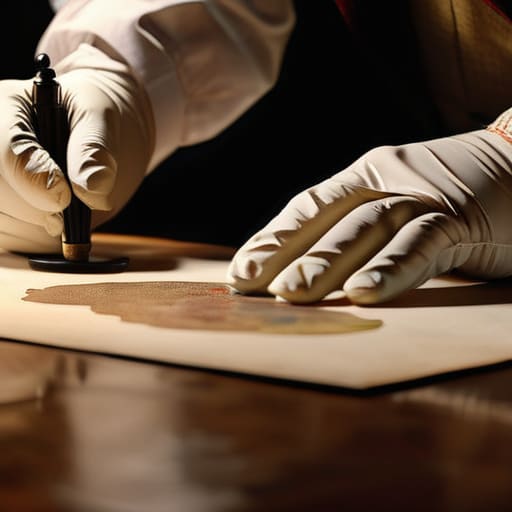
If you think you can simply drop a canvas at a local non-profit and walk away with a tidy tax receipt, you are in for a rude awakening. The charitable art donation process is less of a handshake and more of a legal gauntlet. You cannot simply decide what your piece is worth because you feel it’s a masterpiece; the tax man doesn’t care about your emotional attachment. You will need a formal art appraisal for tax purposes, conducted by a qualified professional who has no stake in the transaction. If that appraisal looks like it was written by your cousin who happens to like oil painting, the authorities will dismantle your deduction before you can finish your gin and tonic.
Furthermore, you must respect the gatekeepers. Every institution has its own rigid museum acquisition policies, and they aren’t just looking for “pretty things.” They are looking for historical relevance, impeccable provenance and art donation history, and works that fill a specific gap in their permanent collection. If your work doesn’t meet their criteria, they will decline it, and a rejection isn’t just a blow to your ego—it’s a piece of paper that proves your work might not hold the value you think it does.
Why Fair Market Value of Artwork Isnt Just a Guess

I’ve seen too many artists walk into a tax office with a sense of pride, clutching a piece they “know” is worth five figures because they spent six months sweating over the canvas. Here is the cold reality: the IRS doesn’t care about your emotional labor or the sheer amount of cobalt blue you used. When you are donating fine art to non-profits, the government isn’t looking for your sentiment; they are looking for a paper trail that survives a microscope.
You cannot simply pull a number out of thin air and call it a valuation. To claim a deduction, you need a formal art appraisal for tax purposes conducted by a qualified professional who has no stake in your success. This isn’t a suggestion; it’s a requirement to prove the fair market value of artwork—the price a willing buyer would actually pay a willing seller in an open market. If your documentation is thin or your “guess” is based on what you sold a friend last year, you aren’t being generous; you’re being a liability.
## The Leverage Trap

“Donating a piece is rarely the selfless act the brochure suggests; more often than not, you are trading the liquidity of a tangible asset for a tax receipt that may or may not be worth the paper it’s printed on, all while potentially devaluing the very market you spent years trying to build.”
Vivienne Ashworth-Pryce
The Final Ledger

If you’ve followed me this far, you know that donating art is never as simple as dropping a canvas off at a museum’s loading dock and walking away with a smile. It requires a clinical understanding of appraisals, a sharp eye for tax implications, and the realization that fair market value is a moving target, not a static number. You cannot afford to be sentimental when the IRS is involved, nor can you be careless with the provenance of the piece. Whether you are looking to offset a significant tax liability or simply want to ensure a work finds a permanent home, you must treat the transaction with the same rigorous professionalism as a commercial sale. If you don’t manage the paperwork, the “gift” will quickly become a logistical and financial headache.
Ultimately, though, I want you to look past the spreadsheets and the tax codes for a moment. While I spend my days dissecting commission splits and price points, I still believe in the profound weight of a work of art. Choosing to donate a piece is a way of participating in the cultural continuity of our world, ensuring that something you once valued becomes part of a larger conversation. Do it with your eyes wide open to the mechanics of the market, but do it with the knowledge that you are leaving a footprint that outlasts your own collection. Just make sure you get the paperwork right first.
Frequently Asked Questions
If I donate a piece to a museum, does that actually help my long-term market value, or am I just nuking my ability to sell that work privately later?
It depends entirely on whether you’re donating a masterpiece or a placeholder. If it’s a significant work that fills a gap in a major museum’s collection, you’re building provenance; that institutional stamp of approval is the ultimate price floor. But if you’re just offloading mid-career work to chase a tax deduction, you’re effectively shrinking your market. You aren’t building a legacy; you’re just liquidating your inventory under the guise of philanthropy.
How do I know if the appraisal I’ve been handed is a legitimate reflection of value or just a padded number designed to make a tax deduction look more impressive?
Oil on canvas, 40 x 50cm, 2024. It’s a lovely piece, but let’s look at the paperwork. If your appraiser is using “comparable sales” from a high-end auction house for a piece that has only ever moved through local craft fairs, run. A legitimate appraisal relies on actual realized prices—what someone actually paid—not what a catalog says a piece should be worth. If the numbers feel inflated, they usually are.
When a gallery or a collector suggests a donation, are they actually being philanthropic, or are they just trying to clear space in a collection without paying my full asking price?
Let’s be blunt: it’s usually a bit of both. If a collector suggests a donation, they aren’t just being saintly; they’re looking for a tax write-off that often exceeds the actual cash they would have handed you. If a gallery suggests it, they might be trying to offload “problem” inventory that isn’t moving. Don’t let the halo effect blind you. If the “philanthropy” results in you losing a sale, it’s not a gift—it’s a discount.
