
I remember standing in the back of a crowded studio in the late nineties, watching a young painter try to explain to a prospective collector why his latest series took six months to finish. He was sweating, stumbling over technical jargon, and essentially trying to hide the fact that he hadn’t mastered his medium. He thought the complexity of the difference between oil and acrylic paint was a sort of magical veil he could use to justify a high price tag, but collectors can smell insecurity from a mile away. The truth is, the choice between these two isn’t about prestige or “fine art” versus “hobbyist” nonsense; it’s about how the chemistry of your tools dictates the very soul of the work and, ultimately, how that work survives in a collector’s home.
I’m not here to give you a chemistry lecture or a sanitized textbook definition. Instead, I’m going to tell you exactly how these mediums behave when the lights are bright and the stakes are high. We are going to strip away the romanticism and look at how your choice affects everything from your layering speed to the long-term stability of your pieces. By the end of this, you’ll understand the technical realities so you can stop guessing and start making decisions that actually support your career.
Solvent vs Water Based Paints What the Catalog Doesnt Tell You
Let’s talk about the logistical headache most art school instructors gloss over: the sheer chemistry of your workspace. When we discuss solvent vs water based paints, we aren’t just talking about what you rinse your brushes in; we are talking about your health and your overhead. If you choose oils, you aren’t just buying pigment; you are committing to a suite of oil painting medium requirements—turpentine, mineral spirits, or those increasingly expensive, low-odor alternatives that still smell like a chemistry lab. You need ventilation, you need fire-safe bins, and you need a stomach for the ritual of it.
Acrylics, by contrast, offer a deceptive simplicity. You can work with a cup of tap water and a rag, which makes them the best paint for beginners who don’t want to turn their studio into a hazardous waste site. But don’t mistake that ease for lack of consequence. While water-based systems are cleaner, they lack the “forgiveness” of a slow-drying oil. If you misjudge your timing with acrylics, you aren’t just fixing a mistake; you’re scraping a plastic film off a canvas. In my experience, the choice between them isn’t just aesthetic—it’s a decision about how much friction you want in your daily practice.
Color Permanence Oil vs Acrylic Protecting Your Future Resale Value
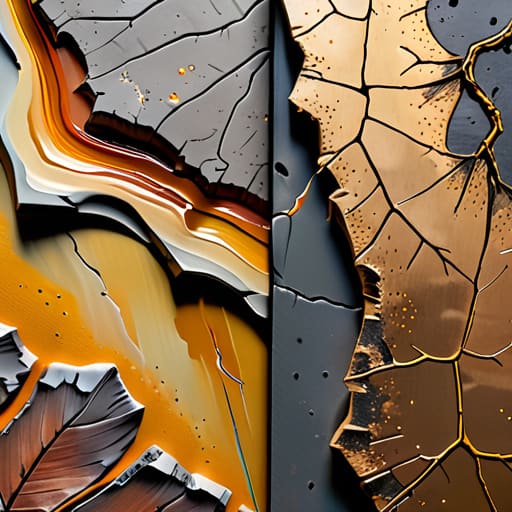
Let’s talk about the long game, because if you’re planning on a career that lasts longer than a seasonal trend, you need to care about what happens to your canvas ten years from now. When we discuss color permanence oil vs acrylic, we aren’t just debating chemistry; we are discussing the integrity of your legacy. Oils have a storied reputation for longevity, but they are temperamental. If you ignore proper oil painting medium requirements—specifically the fat-over-lean rule—you’ll end up with a cracked surface that looks like a dried riverbed. A collector isn’t going to pay premium prices for a painting that is literally falling apart because the artist didn’t respect the physics of the medium.
Acrylics, on the other hand, are the workhorses of the modern era. They are chemically stable and incredibly resilient, but they have a tendency to shift in tone as they dry, which can catch a buyer off guard. I’ve seen too many young artists struggle with oil paint drying time vs acrylic speed, rushing into layers that eventually delaminate. Whether you choose the slow, deliberate depth of oil or the rapid-fire versatility of acrylic, your goal is consistency. If the color you sell today isn’t the color the collector sees in a decade, you haven’t just lost a sale; you’ve lost your reputation.
The Practical Reality: Five Ways Your Medium Choice Shapes Your Business
- Stop treating drying time like a minor inconvenience. If you’re working in oils, you aren’t just choosing a texture; you are choosing a timeline that dictates your entire production cycle and, subsequently, how quickly you can restock a gallery’s shelves.
- Watch your layering logic. If you try to force an oil-style heavy impasto technique with acrylics without understanding the binder’s limitations, you’ll end up with a surface that cracks and looks amateurish—and collectors can spot a structural failure from three feet away.
- Mind the “shrinkage” factor. Acrylics dry significantly differently than oils; they often lose a bit of volume as the water evaporates. If you don’t account for this in your initial composition, your carefully planned proportions will look “off” once the piece is dry and ready for the frame.
- Don’t let the “all-natural” myth fool you. While oils have that historical prestige, modern high-quality acrylics are incredibly stable. I’ve seen more damage caused by poorly stored, cheap oils than by well-made acrylics, so choose based on the longevity of the pigment, not the romanticism of the medium.
- Price your labor, not just your tubes. Because oils require a much longer “curing” period before they can be safely varnished and shipped, your overhead for an oil painting is higher. You cannot price a six-month oil process the same as a three-day acrylic sprint and expect to stay in the black.
The Bottom Line
At the end of the day, choosing between oil and acrylic isn’t just a matter of personal preference or how much you enjoy the smell of turpentine; it is a decision about your professional identity and your long-term liability. We have discussed how the drying time of oils dictates your physical process, how the chemical stability of acrylics affects their longevity, and how the solvent-based nature of oils changes your studio overhead. If you choose oils, you are committing to a slower, more traditional rhythm and a more complex cleanup. If you choose acrylics, you are opting for speed and stability, but you must learn to manage that rapid drying time so your work doesn’t look rushed or flat. The medium dictates the method, and the method ultimately dictates the quality of the finished product that ends up on a collector’s wall.
Please, stop treating your choice of medium as an afterthought. Whether you are working in oils or acrylics, treat the chemistry with the same respect you treat your composition. Collectors aren’t just buying a beautiful image; they are investing in an object that they expect to endure. When you understand the technical realities of your tools, you move from being someone who simply “makes art” to being a professional artist who understands their craft. Now, get back to the studio and make something that is actually worth the price tag.
Beyond the chemistry of the pigments, you have to consider the sheer logistical headache of sourcing quality materials in a way that doesn’t drain your studio budget before you’ve even finished a single canvas. I’ve seen too many talented painters get stuck in a cycle of buying subpar supplies just because they don’t know where the real connections are. If you find yourself feeling isolated in your practice or simply need to bounce technical questions off people who actually understand the grind, I always suggest finding a bit of community; for instance, if you’re looking for some local chat in Australia, it can be a godsend to realize you aren’t the only one struggling to balance a palette against a mounting pile of invoices. Having that peer-to-peer insight is often more valuable than any expensive masterclass you’ll ever buy.
